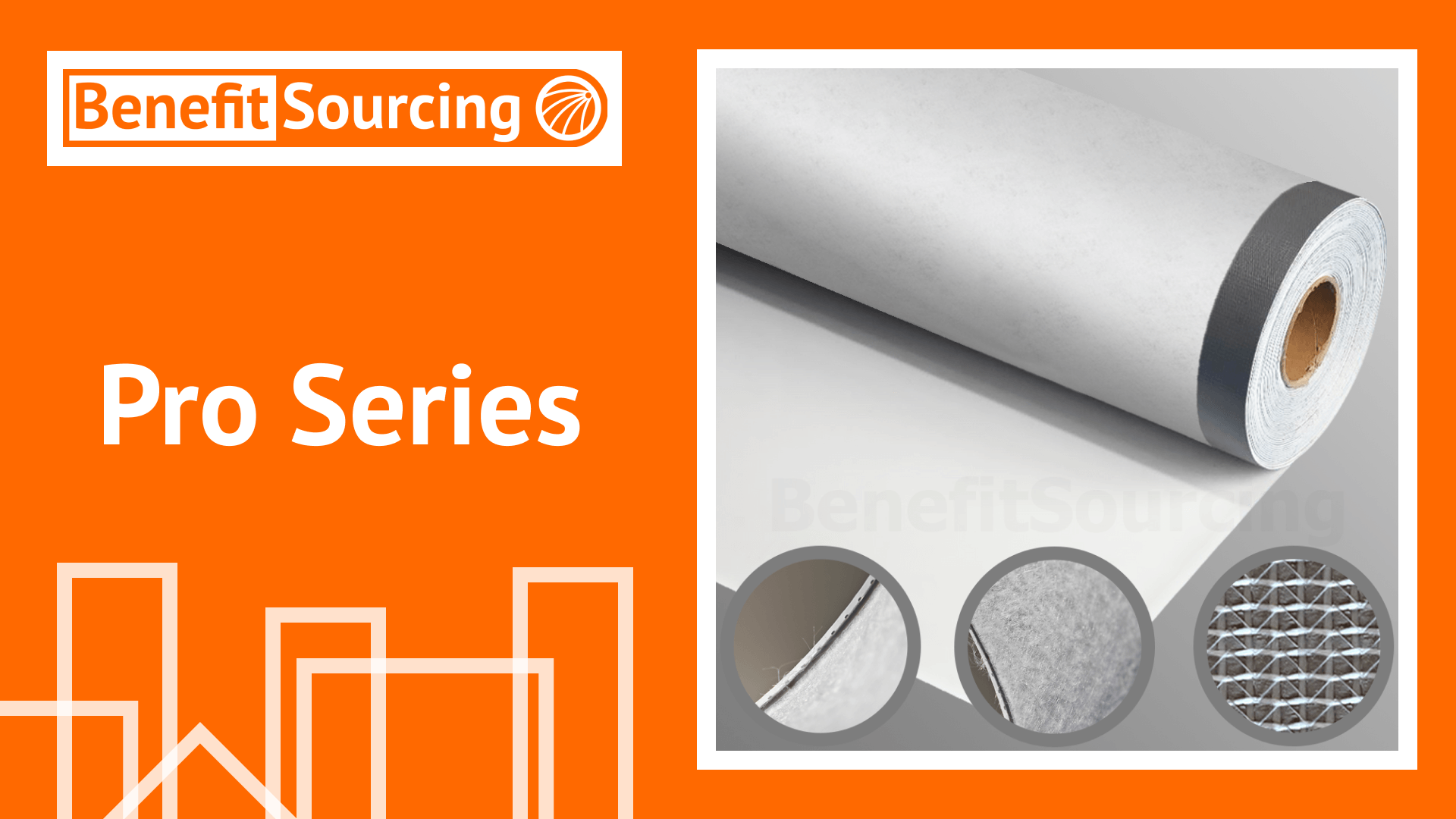
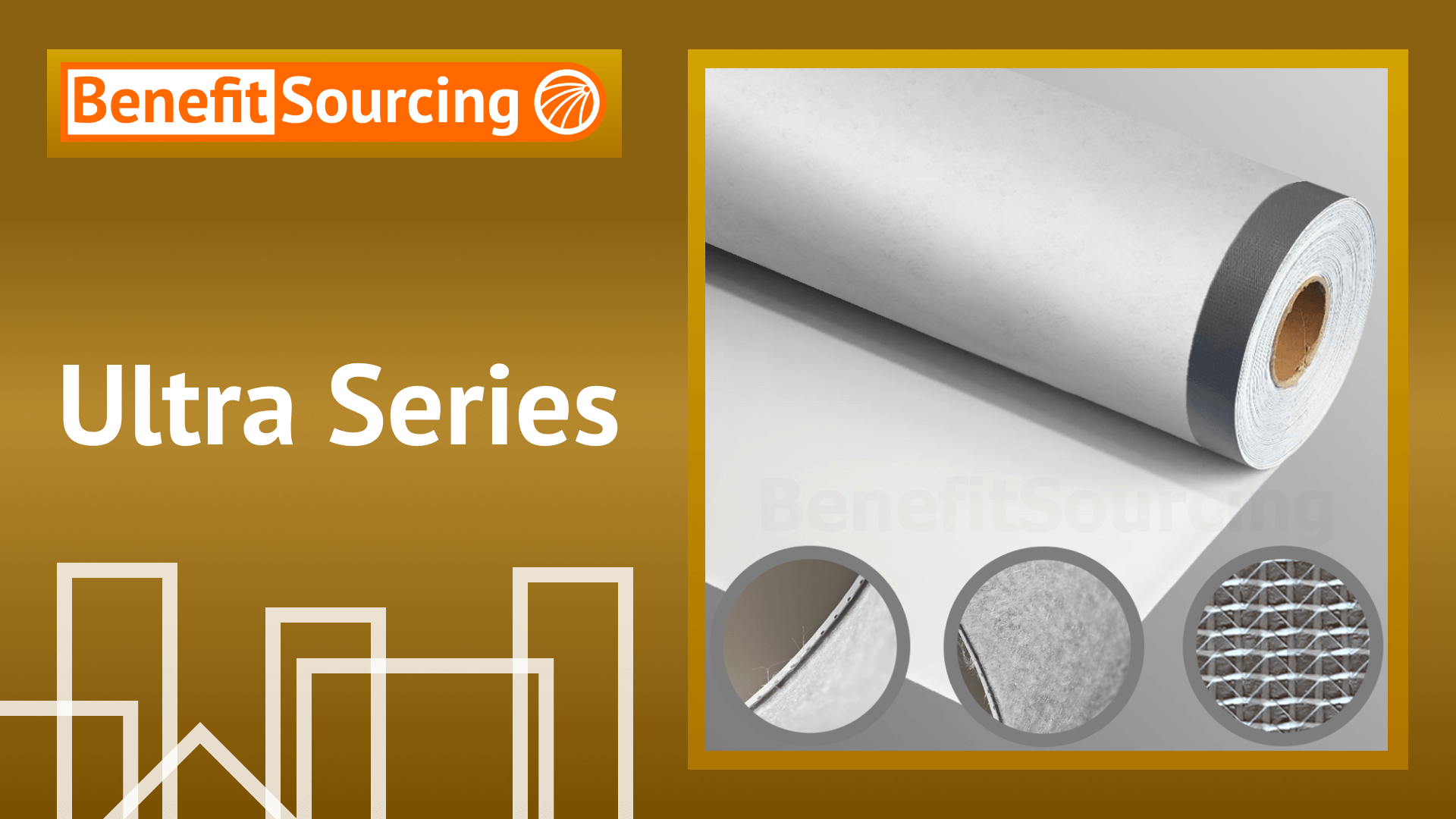
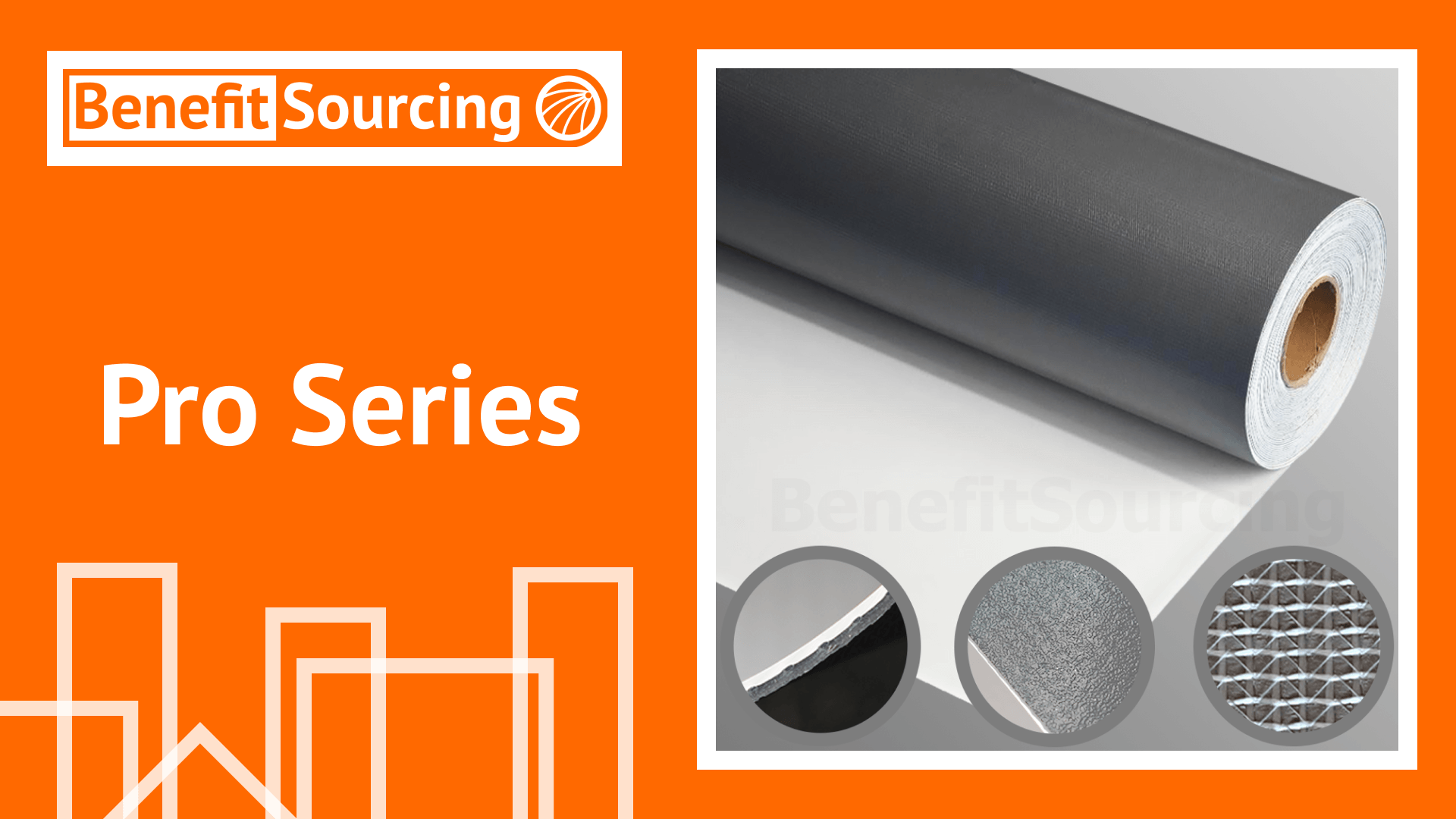
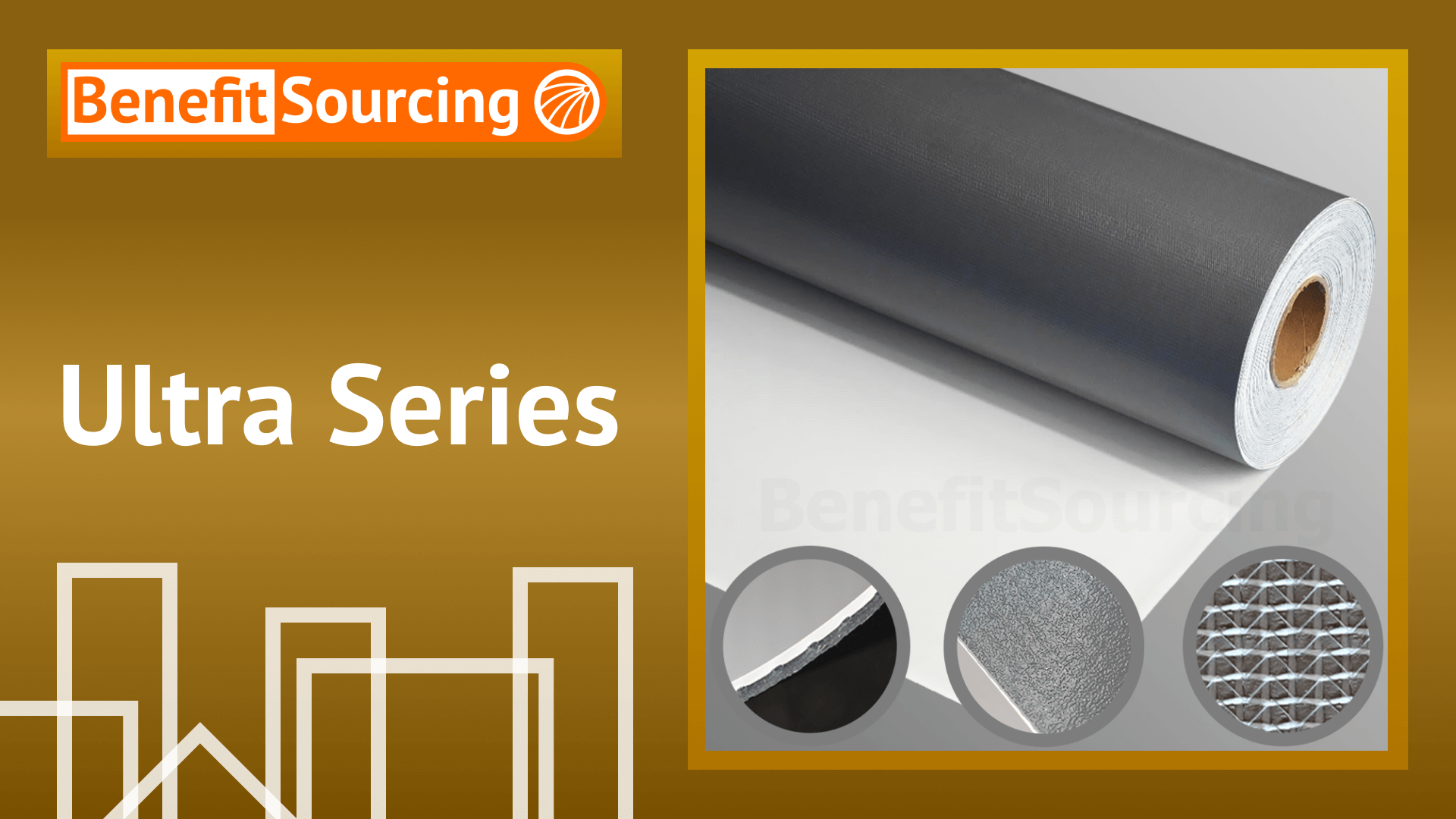
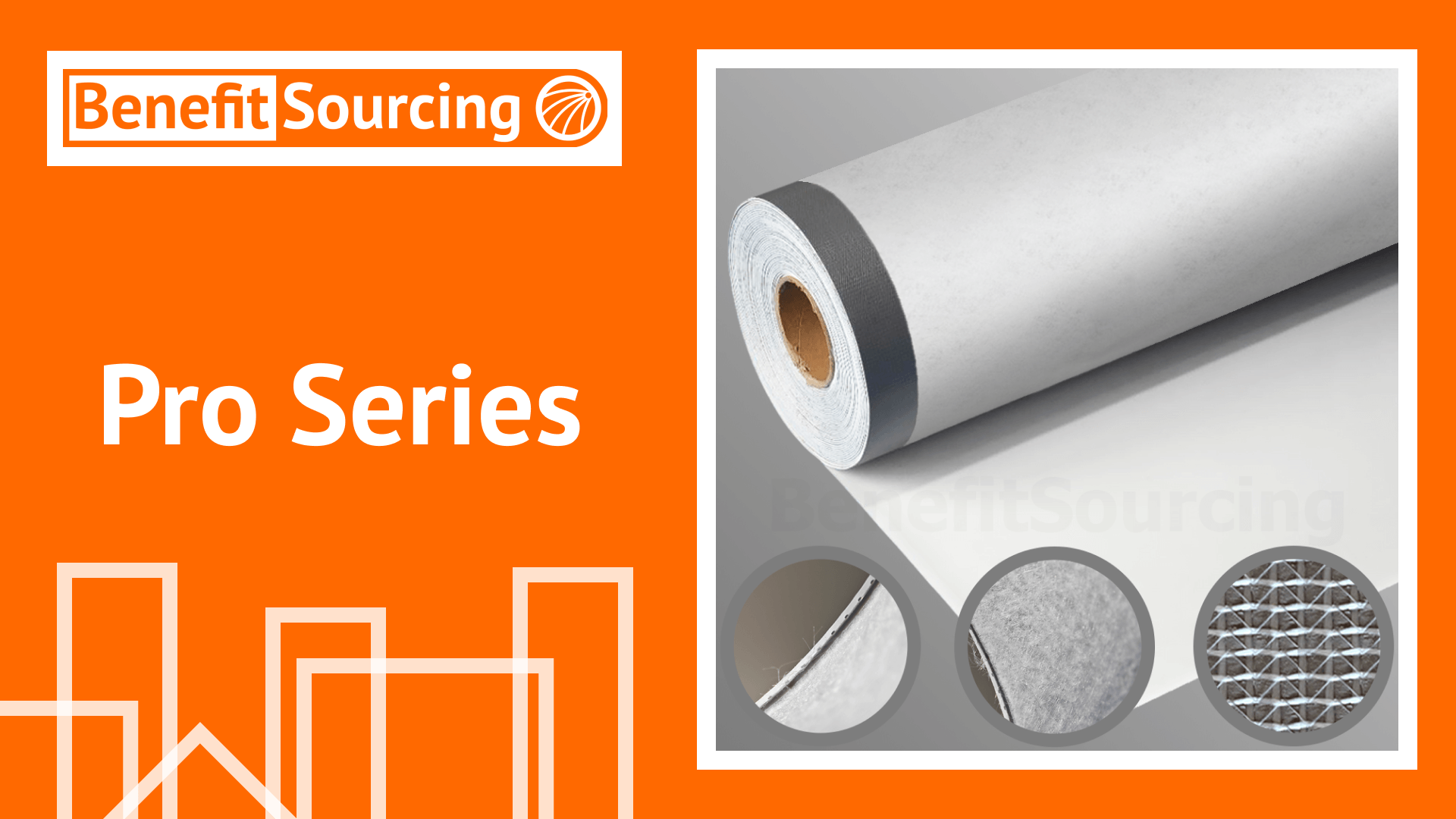
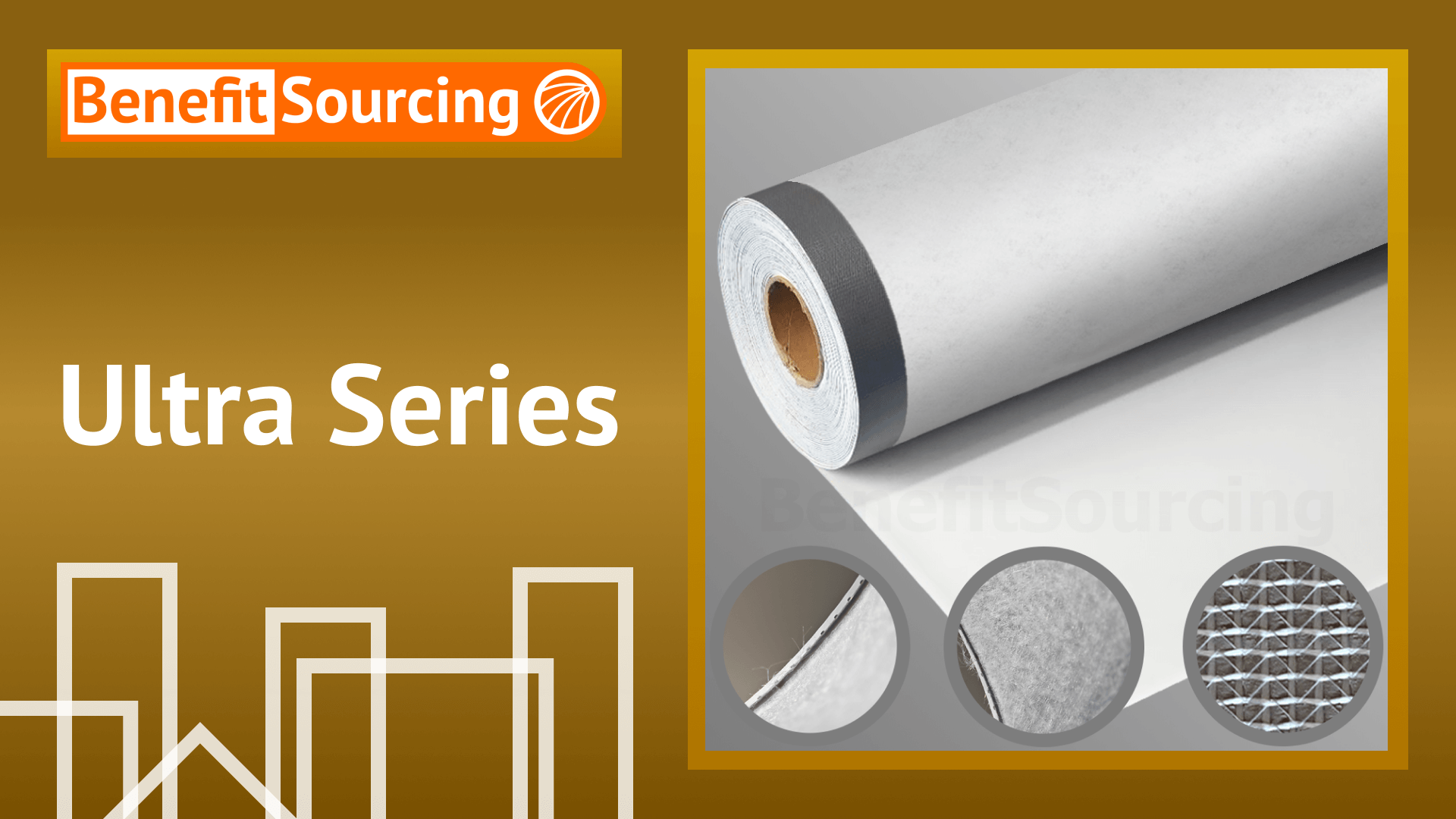
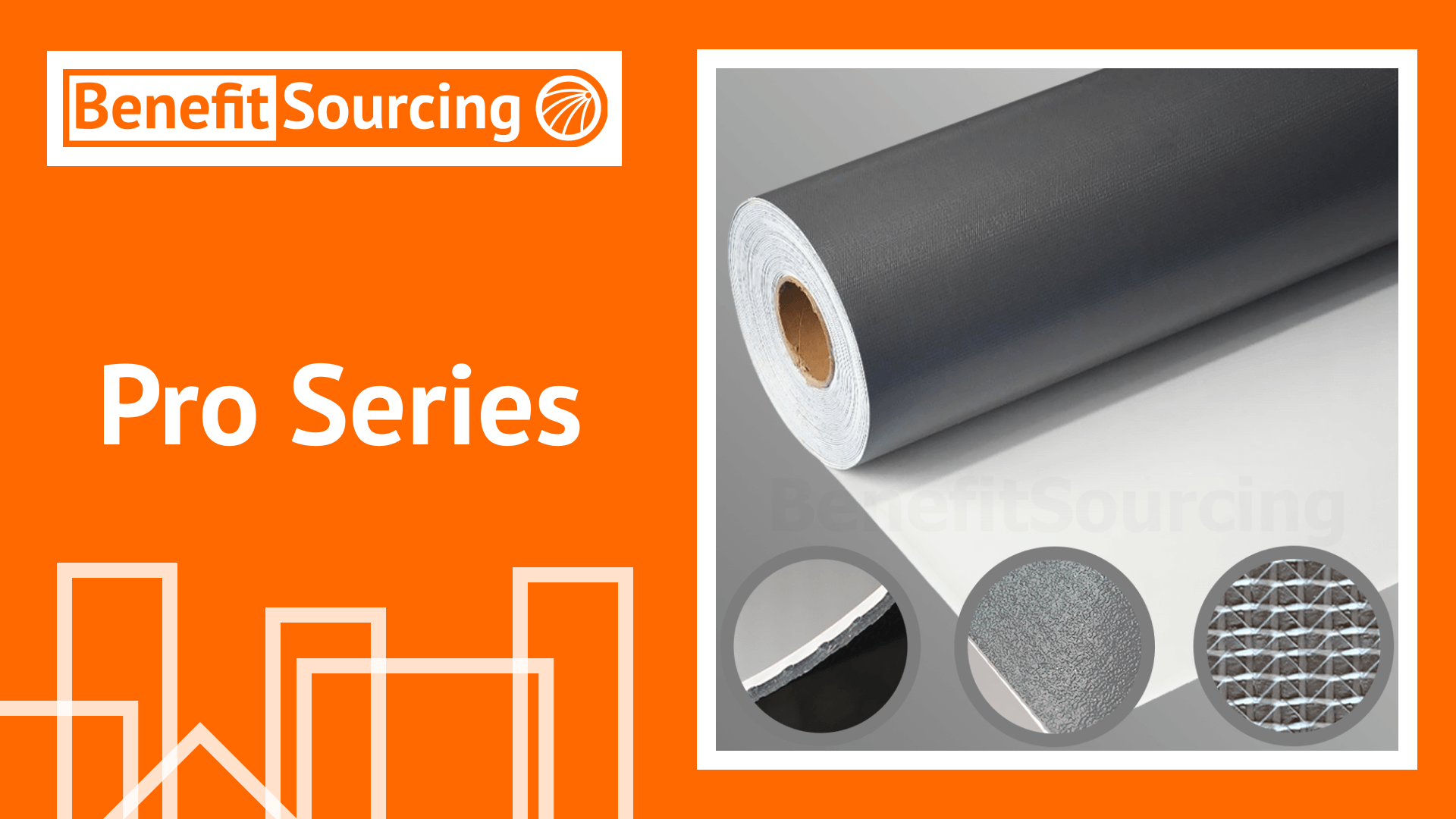
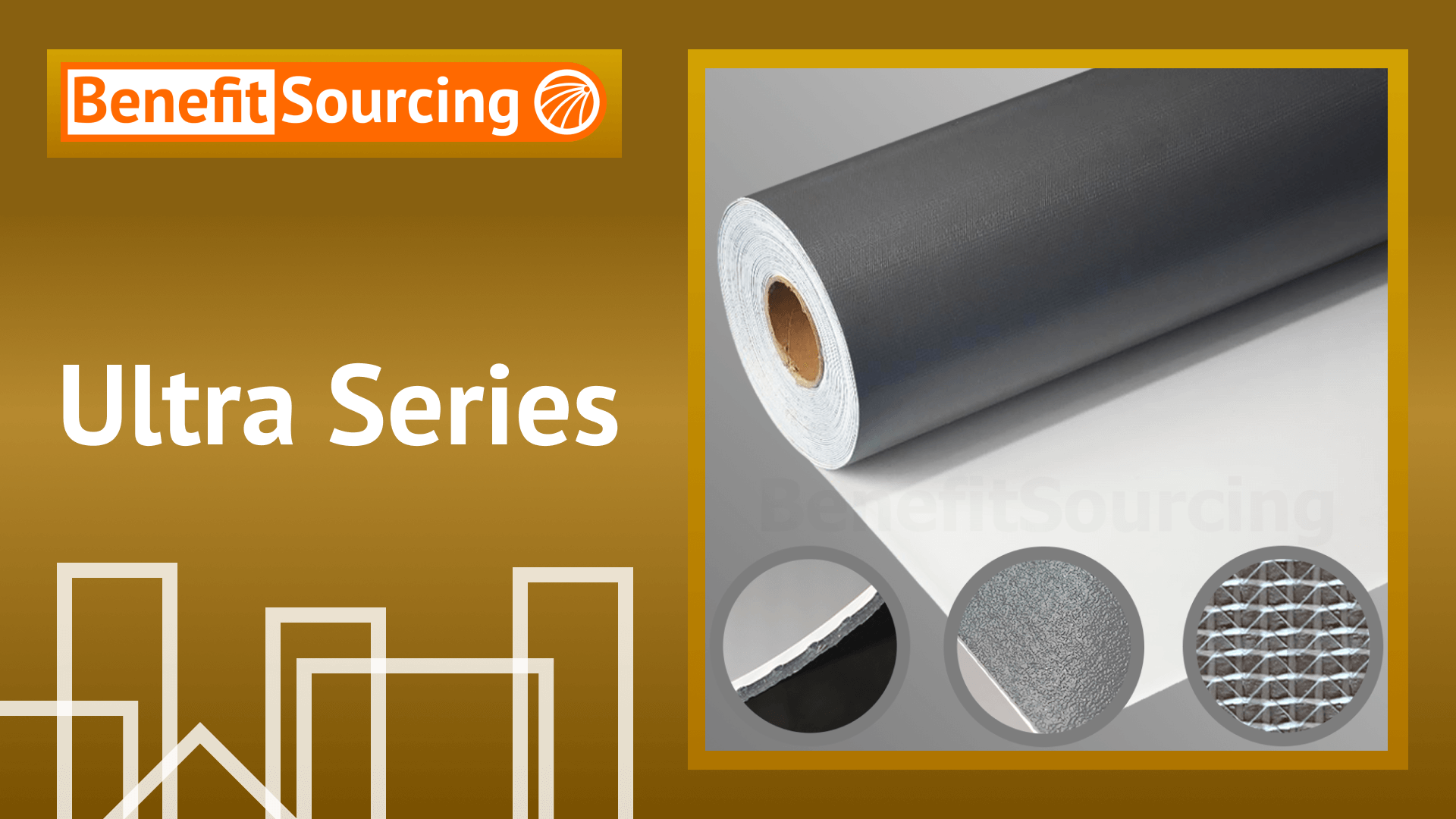
Roofing membranes are essential components in modern building construction, offering critical protection against water infiltration and environmental stressors. While exposed membrane systems often receive significant attention for their visual and functional roles, non-exposed roof applications represent a substantial segment of membrane use. These installations prioritize long-term durability, structural protection, and compatibility with secondary roofing layers. Below, we explore common scenarios where roofing membranes are installed in non-exposed configurations, their material considerations, and installation best practices.
In PMR systems, the waterproofing membrane is installed below the insulation and protective surfacing layers. This configuration reverses traditional roofing layering to enhance membrane longevity by shielding it from ultraviolet (UV) degradation, thermal cycling, and physical damage. Key applications include:
Material considerations:
Installation advantages:
Vegetated roofs integrate waterproofing membranes beneath layers of soil and vegetation. These installations require membranes to resist root penetration, microbial activity, and prolonged moisture exposure. Applications span:
Membrane requirements:
Design considerations:
IRMA systems place insulation above the roofing membrane, submerging it in ballast (e.g., gravel, pavers) or a vegetative layer. The membrane remains protected from mechanical stress and temperature fluctuations. Common uses include:
Material selection:
Key benefits:
Roofing membranes are deployed in below-grade scenarios to waterproof foundations, tunnels, and plaza decks. Unlike above-grade systems, these installations face constant hydrostatic pressure and soil contaminants. Typical applications:
Performance requirements:
Installation steps:
In freezing environments, roofing membranes are installed beneath thick insulation layers to prevent condensation and ice dam formation. These systems demand:
Challenges:
Non-exposed membranes are increasingly used in retrofit applications, where existing roofs are overlaid with new insulation and membrane layers. Benefits include:
Material compatibility:
Adhesion methods:
Seam integrity:
Drainage design:
By understanding these application scenarios, architects and contractors can optimize membrane selection and installation practices to meet specific performance demands. Non-exposed systems, while less visible, play a pivotal role in ensuring the durability and functionality of modern building envelopes.
Application scenarios of roofing membranes - non-exposed roofs is part of our roofing membrane application knowledge series and explains practical roofing membrane information for product selection, installation, or project planning.
This article is useful for roofing contractors, waterproofing companies, specifiers, and project teams that need clearer membrane guidance before product selection or inquiry.
Use the contact form on this page to discuss related PVC or TPO membrane products, request a Technical Data Sheet (TDS), or ask about OEM and project requirements.
Need product data, sourcing support, or OEM guidance?