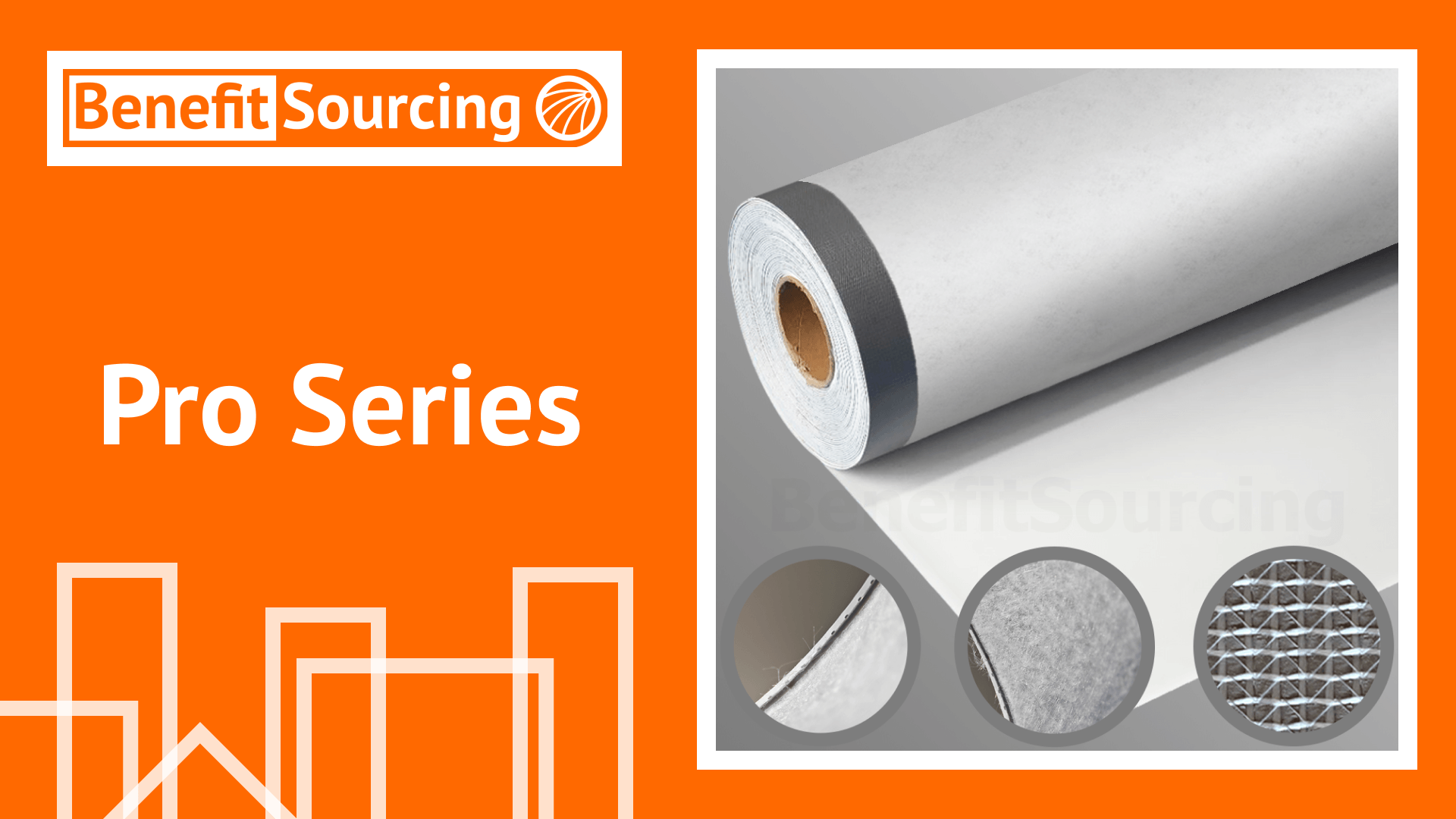
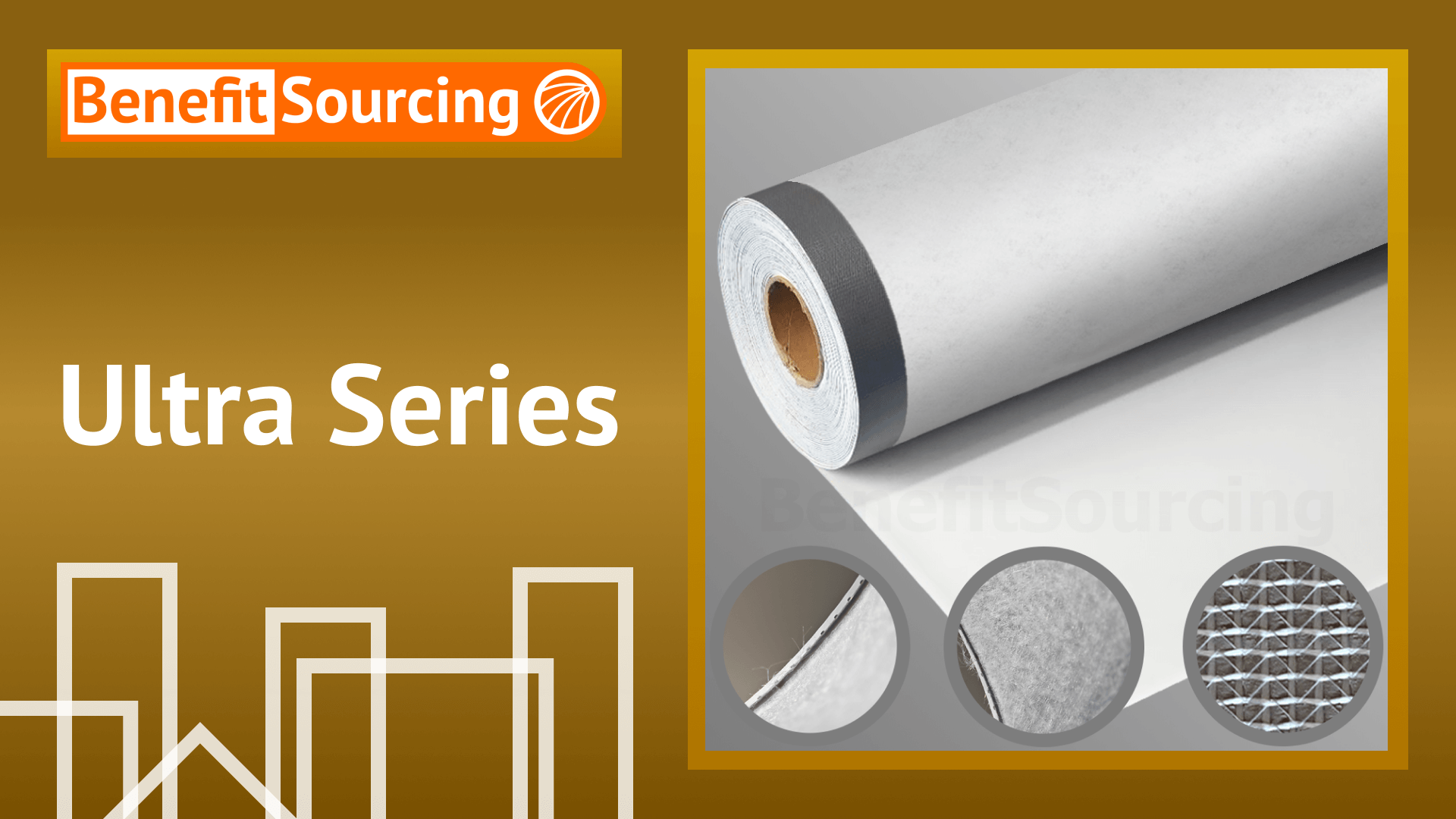
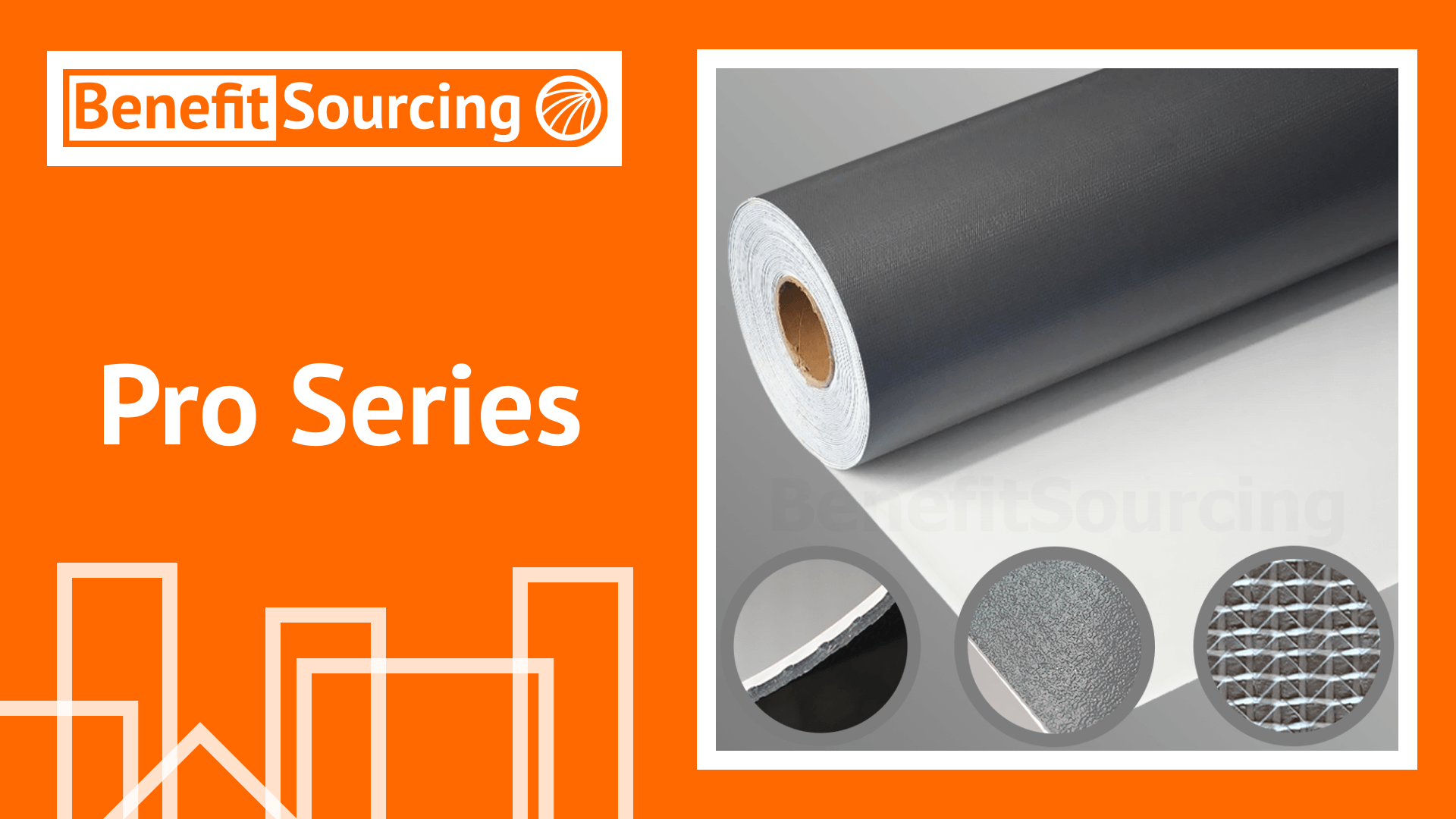
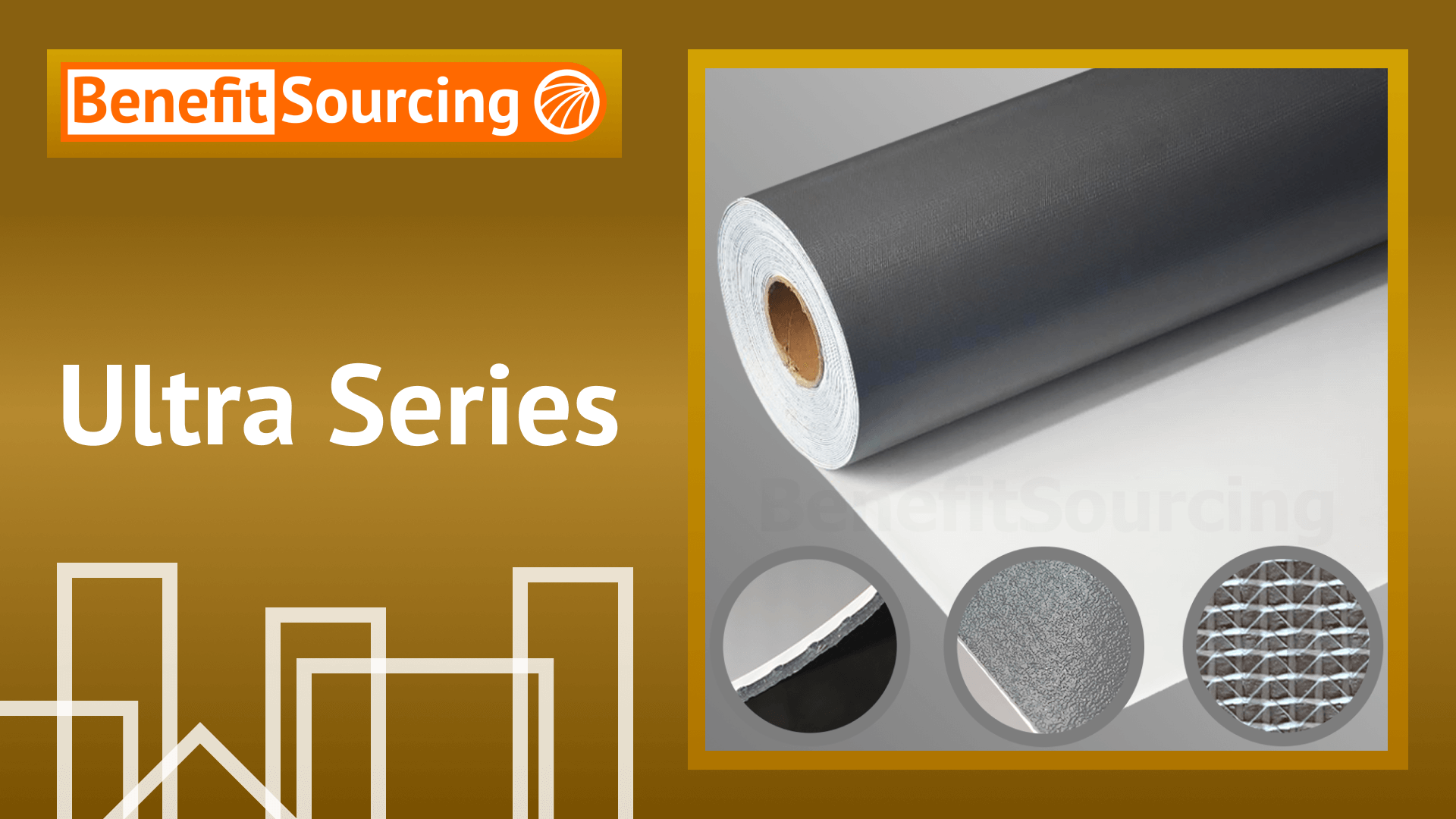
Roofing membranes are critical components in modern building envelopes, designed to protect structures from water infiltration, thermal transfer, and environmental degradation. These materials are broadly categorized based on their chemical composition, installation methods, and performance characteristics. Below is a detailed classification of roofing membranes, emphasizing their distinct properties and applications.
Bituminous membranes, commonly known as asphalt-based membranes, are derived from bitumen—a viscous, petroleum-based material. These membranes are further divided into two subtypes:
Built-Up Roofing (BUR) Systems
Modified Bitumen Membranes
Synthetic membranes dominate the commercial roofing market due to their lightweight nature, durability, and ease of installation. These are subdivided into thermoplastic and thermoset membranes.
Thermoplastic materials soften when heated and reharden upon cooling, allowing for heat-welded seams. Common types include:
TPO (Thermoplastic Polyolefin)
PVC (Polyvinyl Chloride)
Thermoset membranes cure irreversibly during manufacturing, forming chemical bonds that resist melting. The most widely used type is:
While not strictly membranes, metal panels and sheets are often grouped with roofing membranes due to their water-shedding capabilities. Types include:
Standing Seam Metal Roofs
Metal Shingles or Tiles
SPF roofing combines a liquid-applied membrane with insulating properties:
Liquid membranes form monolithic, seamless coatings when cured. Two primary categories exist:
Acrylic Coatings
Polyurethane Coatings
Choosing the appropriate roofing membrane depends on multiple variables:
Roof Slope:
Climate:
Building Use:
Lifecycle Costs:
Proper installation ensures membrane performance:
Routine inspections should identify:
Timely repairs with compatible patching materials or coatings can extend service life by decades.
Environmental considerations are reshaping membrane development:
Compliance with building codes (e.g., International Building Code) and industry standards (e.g., ASTM D4637 for EPDM) is mandatory. Fire ratings, wind uplift resistance, and hail impact classifications vary by membrane type and regional requirements.
In summary, roofing membranes offer tailored solutions for diverse architectural and environmental challenges. Advances in polymer chemistry, installation techniques, and sustainability practices continue to expand their capabilities, ensuring reliable protection for modern structures.
Classification of roofing membranes - Overview is part of our roofing membrane classification knowledge series and explains practical roofing membrane information for product selection, installation, or project planning.
This article is useful for roofing contractors, waterproofing companies, specifiers, and project teams that need clearer membrane guidance before product selection or inquiry.
Use the contact form on this page to discuss related PVC or TPO membrane products, request a Technical Data Sheet (TDS), or ask about OEM and project requirements.
Need product data, sourcing support, or OEM guidance?