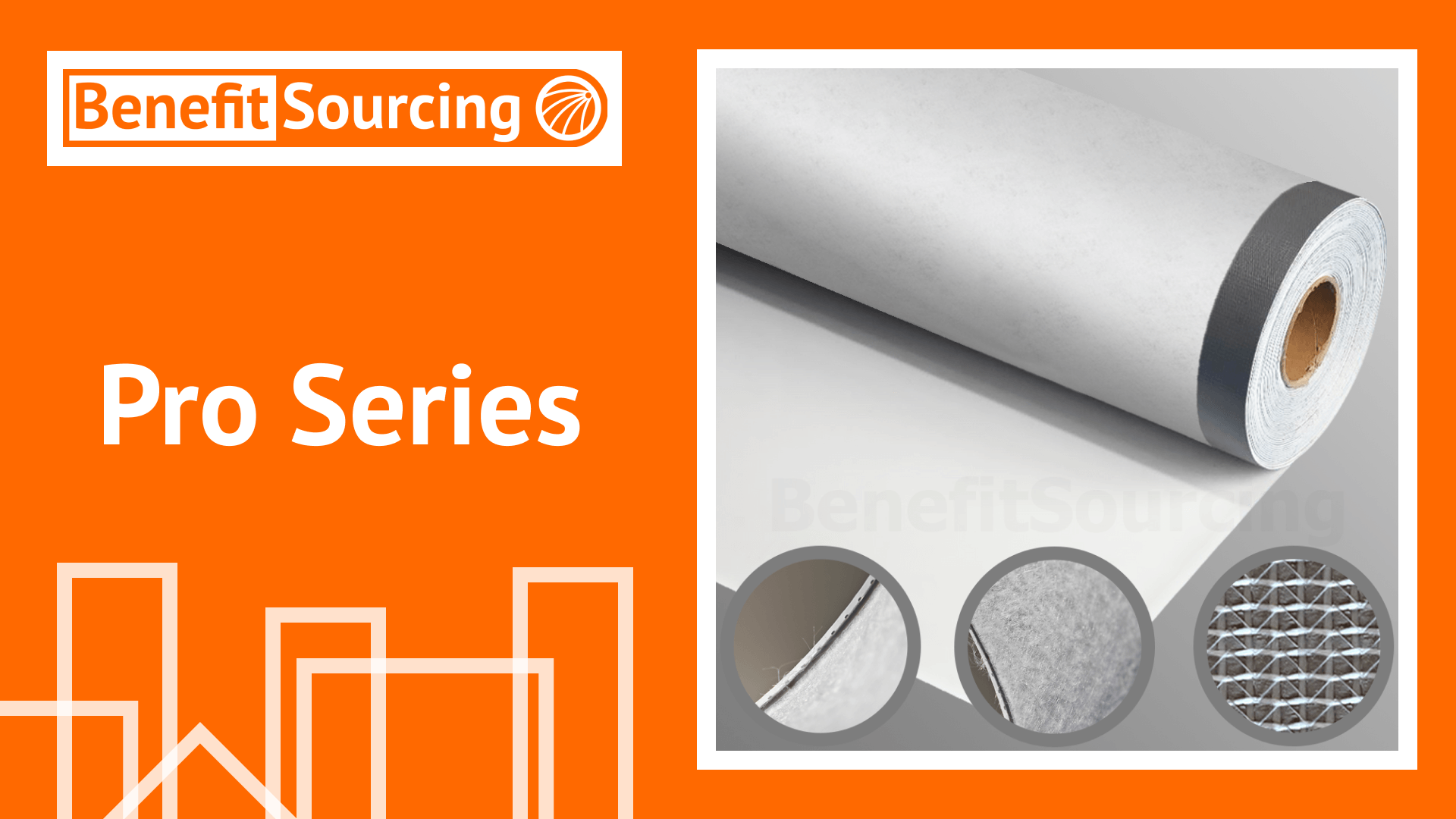
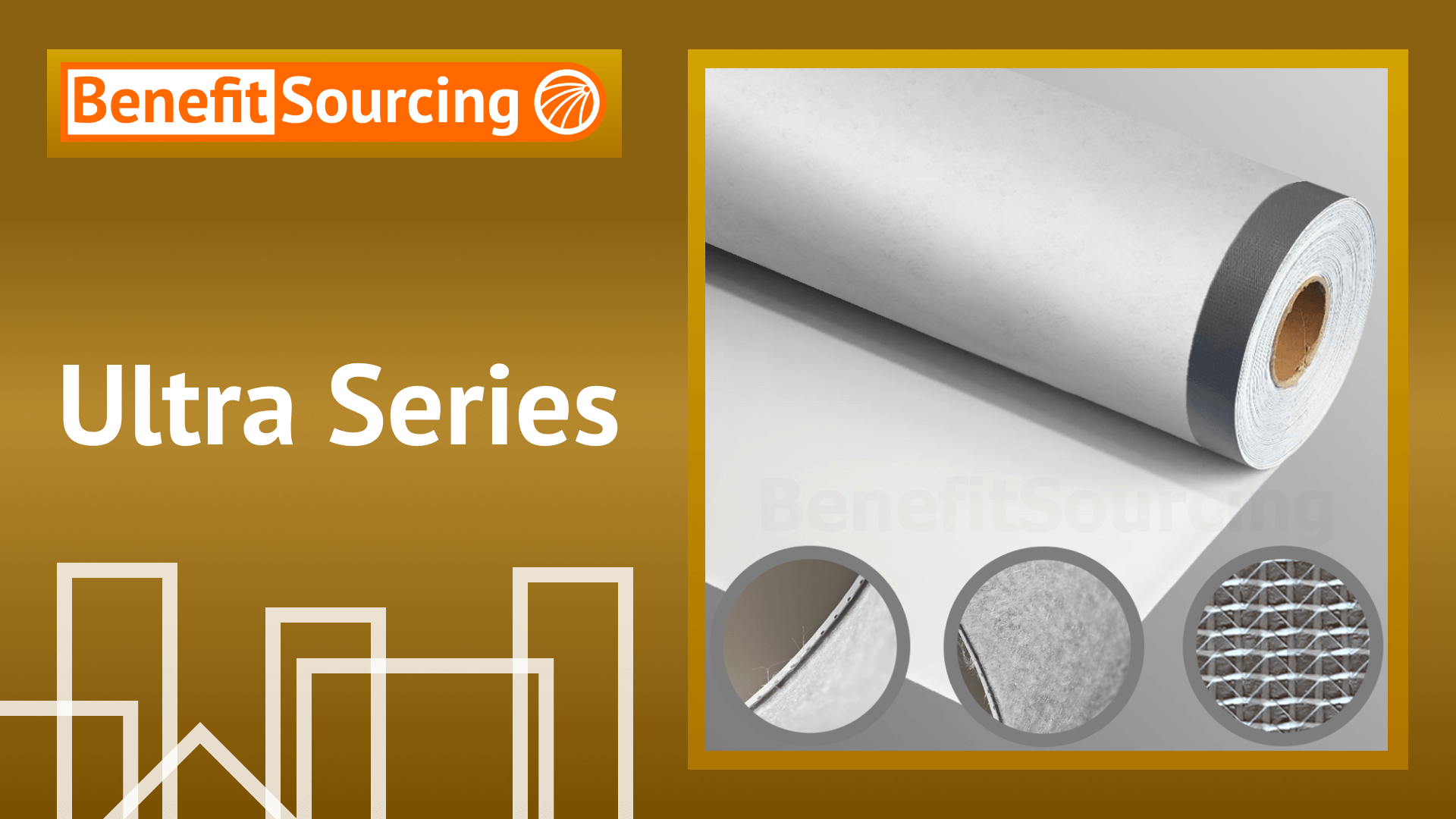
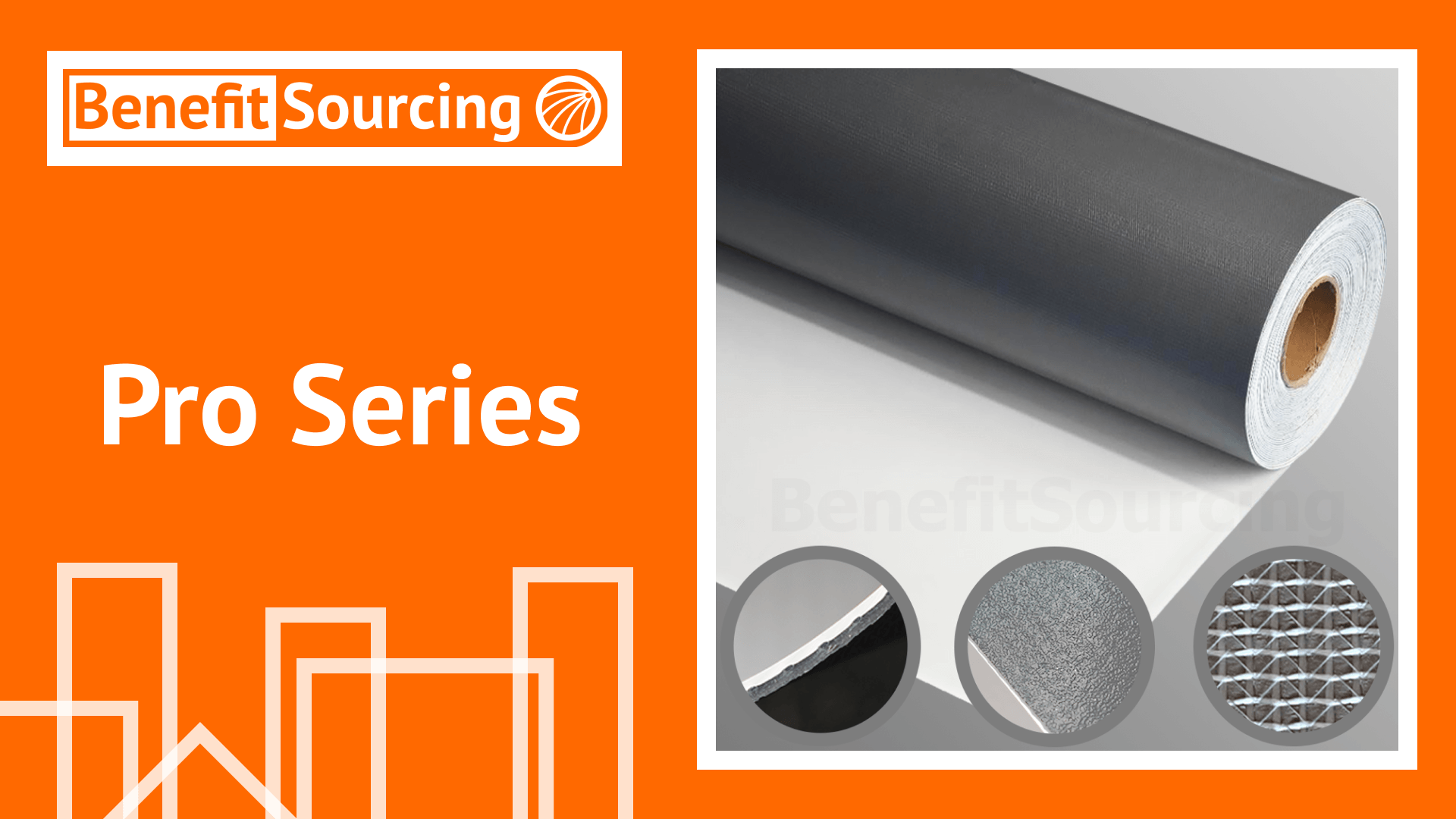
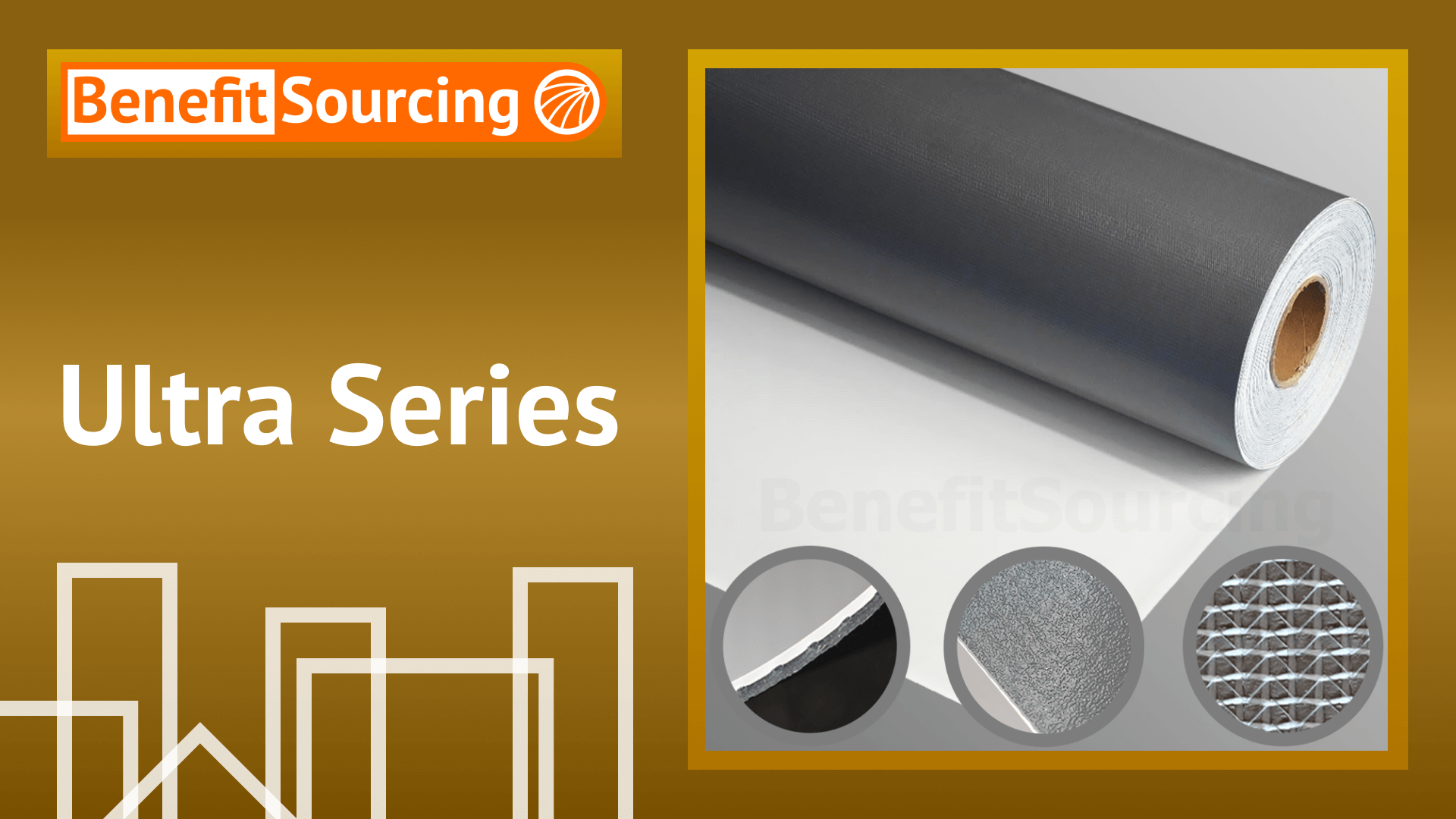
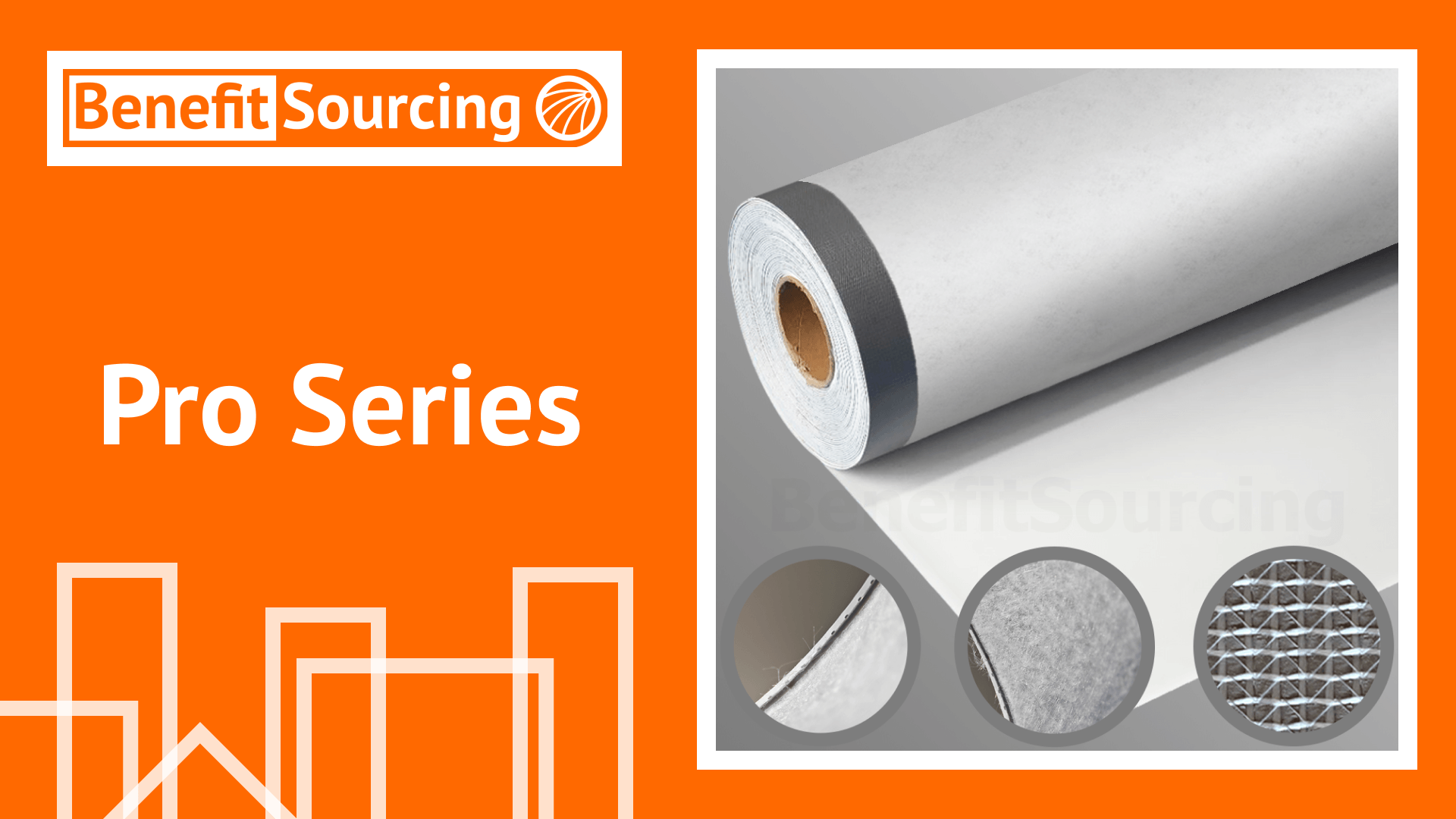
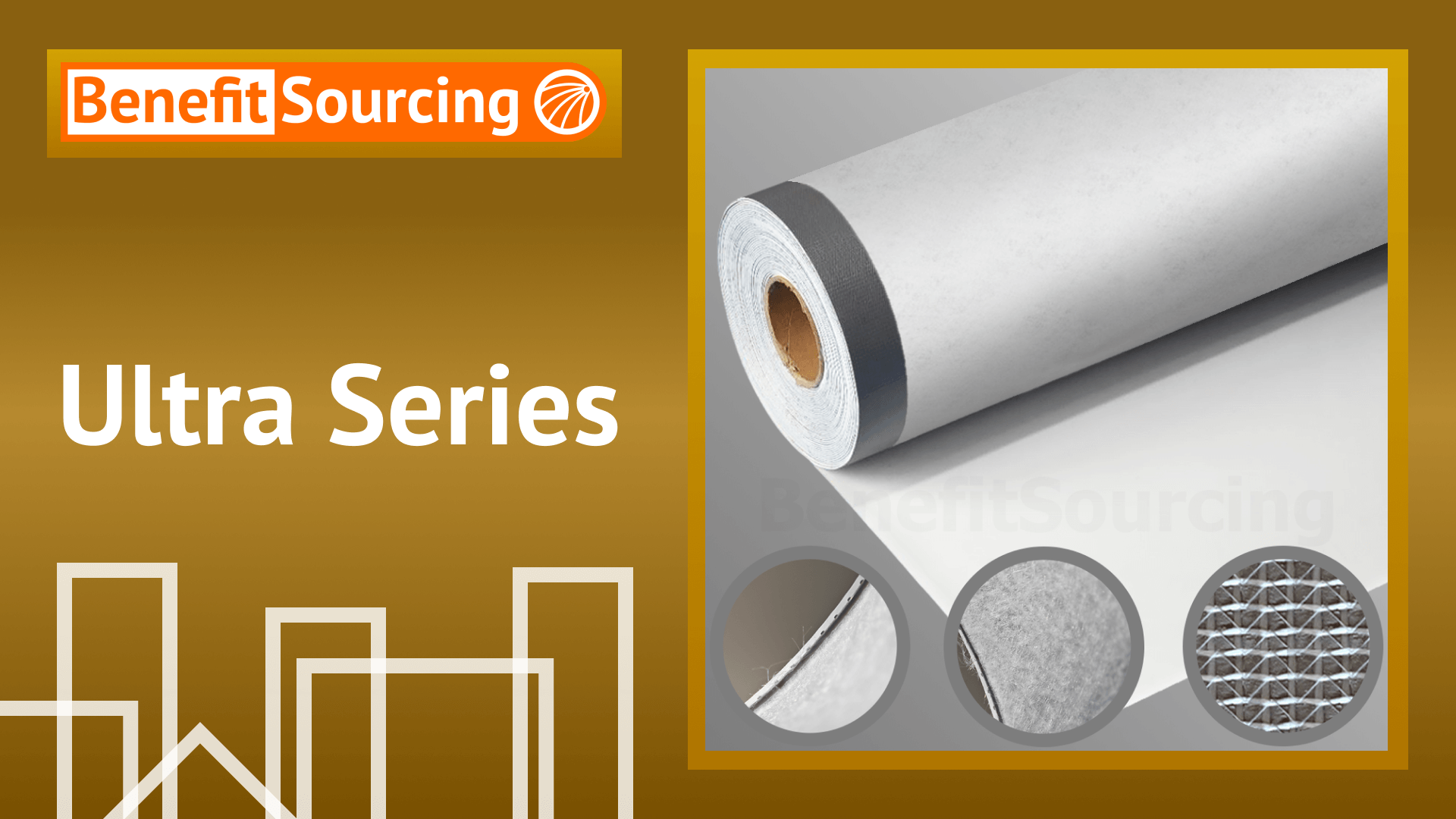
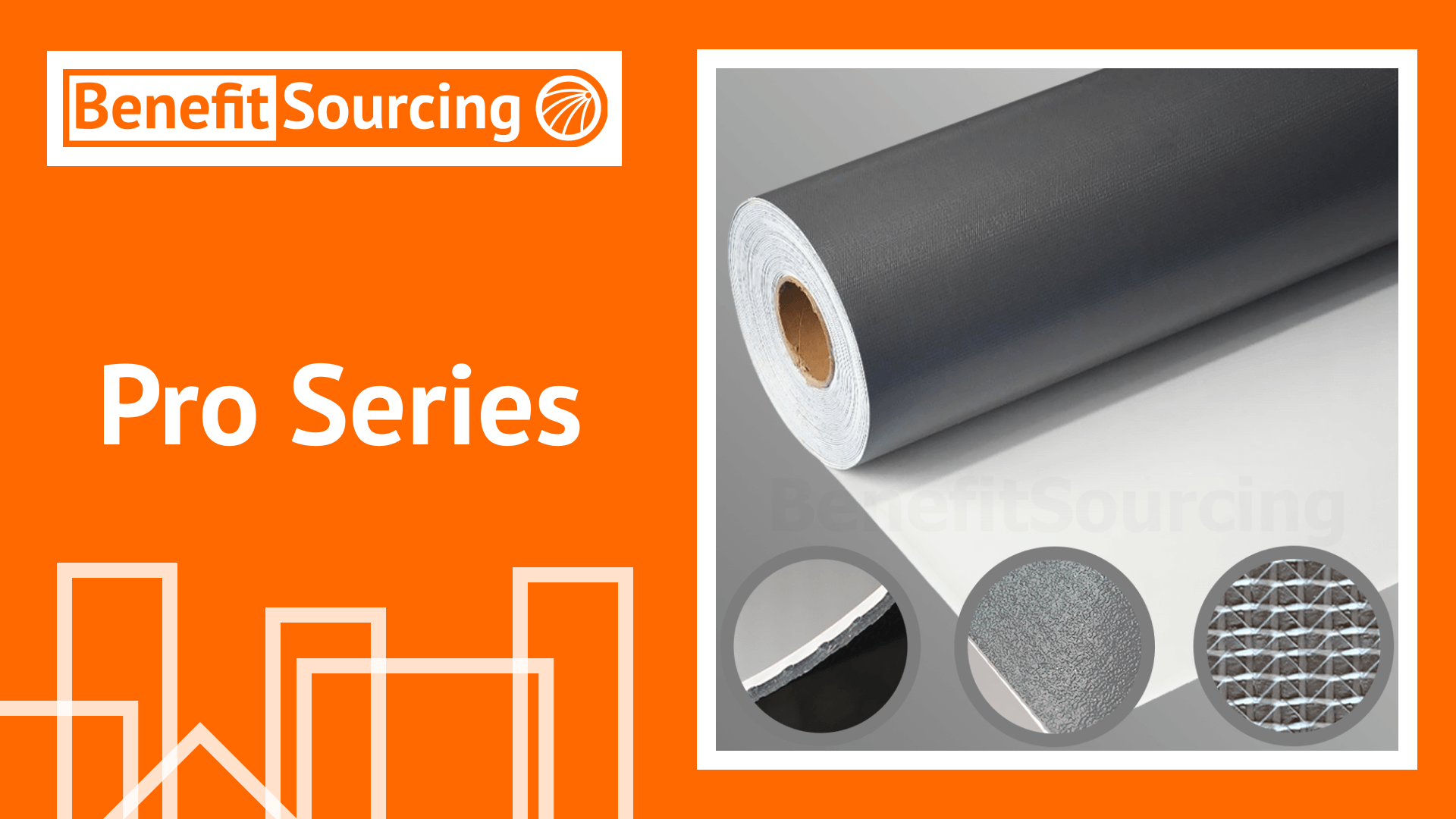
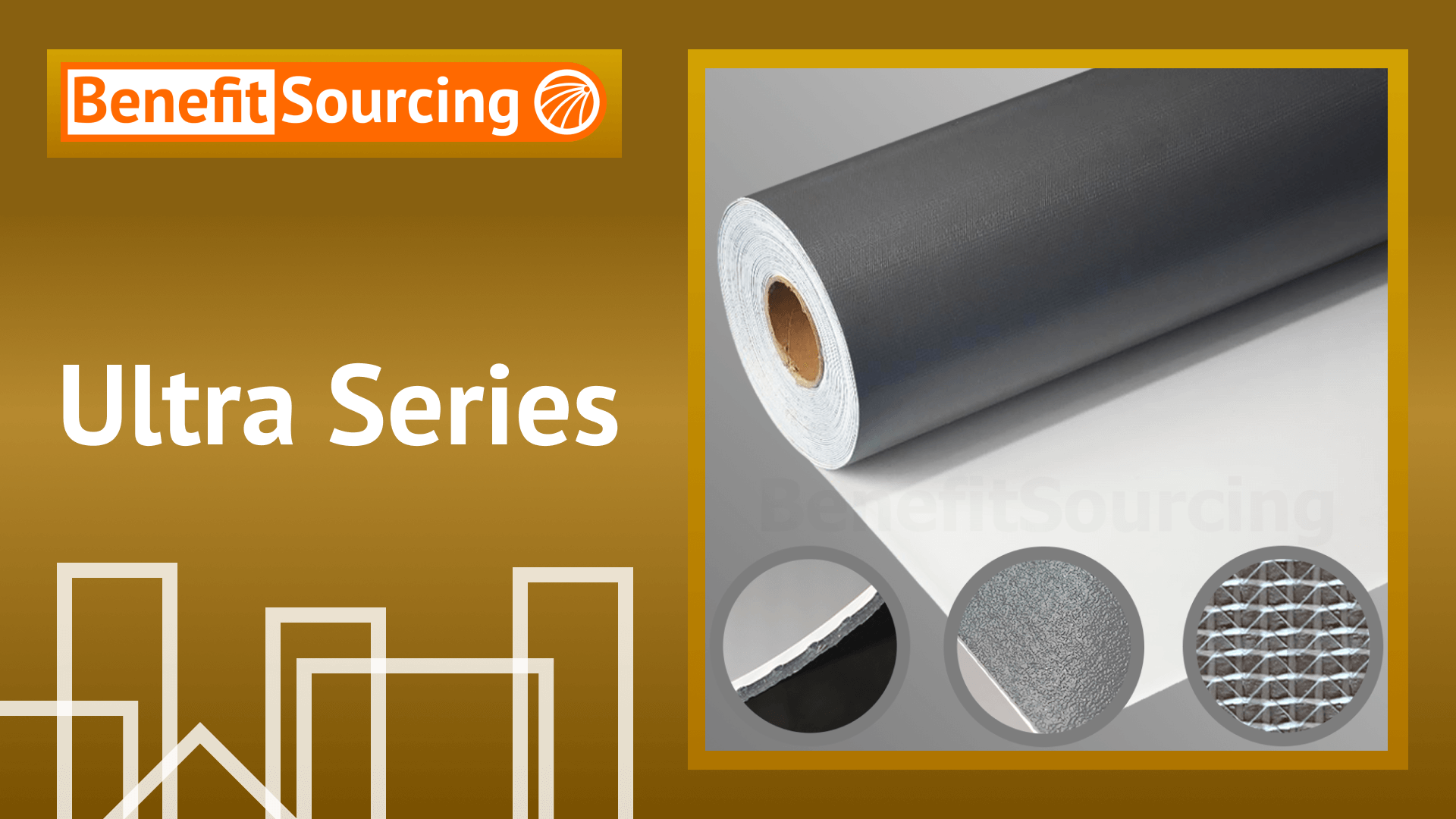
Polyvinyl chloride (PVC) roofing membranes have been a cornerstone of commercial and industrial roofing systems for over five decades. As a thermoplastic material, PVC offers unique advantages in durability, flexibility, and chemical resistance, making it particularly suitable for complex roof geometries and challenging environmental conditions. This article examines the technical classifications of PVC roofing membranes based on their composition, reinforcement methods, thickness specifications, and performance characteristics.
PVC roofing membranes typically consist of:
The chemical structure of PVC provides inherent flame retardancy (typically achieving Class A fire ratings) and resistance to microbial growth. Modern formulations often include reflectivity enhancers to meet energy code requirements, with initial solar reflectance values averaging 75-85% for white membranes.
Reinforced PVC Membranes
Non-Reinforced PVC Membranes
PVC membranes are categorized by thickness measured in mils (1 mil = 0.001 inch):
| Thickness Range | Common Applications |
|---|---|
| 40-48 mil | Standard commercial roofs with moderate foot traffic |
| 50-60 mil | Heavy-duty industrial roofs requiring chemical resistance |
| 60-80 mil | Specialty applications like vegetated roofing systems |
Thicker membranes (>60 mil) demonstrate improved puncture resistance (ASTM D5635) and extended service life potential exceeding 30 years with proper maintenance.
Smooth Surface Membranes
Granule-Embedded Membranes
Textured Patterns
While white remains the industry standard for energy efficiency, modern PVC membranes are available in:
Color selection impacts:
Fully Adhered Systems
Mechanically Attached Systems
Ballasted Systems
Seam welding techniques remain critical across all installation methods, with modern infrared welding equipment achieving bond strengths exceeding 6 pli (pounds per linear inch).
PVC membranes are graded for chemical exposure per ASTM D8137:
Specialty formulations incorporate amine blockers for resistance to asphalt bleed-through and anti-microbial agents for wet environments.
CRRC (Cool Roof Rating Council) Listed
EPD (Environmental Product Declaration) Verified
Recycling Ready
PVC membranes exhibit linear thermal expansion coefficients of 3.5-5.5 x 10^-5 in/in/°F (ASTM D696). This necessitates:
Advanced formulations now incorporate thermal stabilizers that reduce expansion/contraction by 30-40% compared to traditional PVC membranes.
Tested under multiple standards:
Flame spread indices typically measure 10-20 (Class I) with smoke development indices below 250 (ASTM E84).
While not primary roofing membrane functions, PVC systems demonstrate:
These characteristics make PVC membranes suitable for sound-sensitive environments like recording studios or healthcare facilities.
When evaluated against other single-ply membranes:
Recent advancements in polymer alloy technology have bridged traditional performance gaps between PVC and competing materials.
Preventive Maintenance
Corrective Maintenance
End-of-Life Solutions
Emerging predictive maintenance technologies incorporate IoT-enabled sensors to monitor membrane stress levels and seam integrity in real time.
Classification of roofing membranes - PVC is part of our roofing membrane classification knowledge series and explains practical roofing membrane information for product selection, installation, or project planning.
This article is useful for roofing contractors, waterproofing companies, specifiers, and project teams that need clearer membrane guidance before product selection or inquiry.
Use the contact form on this page to discuss related PVC or TPO membrane products, request a Technical Data Sheet (TDS), or ask about OEM and project requirements.
Need product data, sourcing support, or OEM guidance?