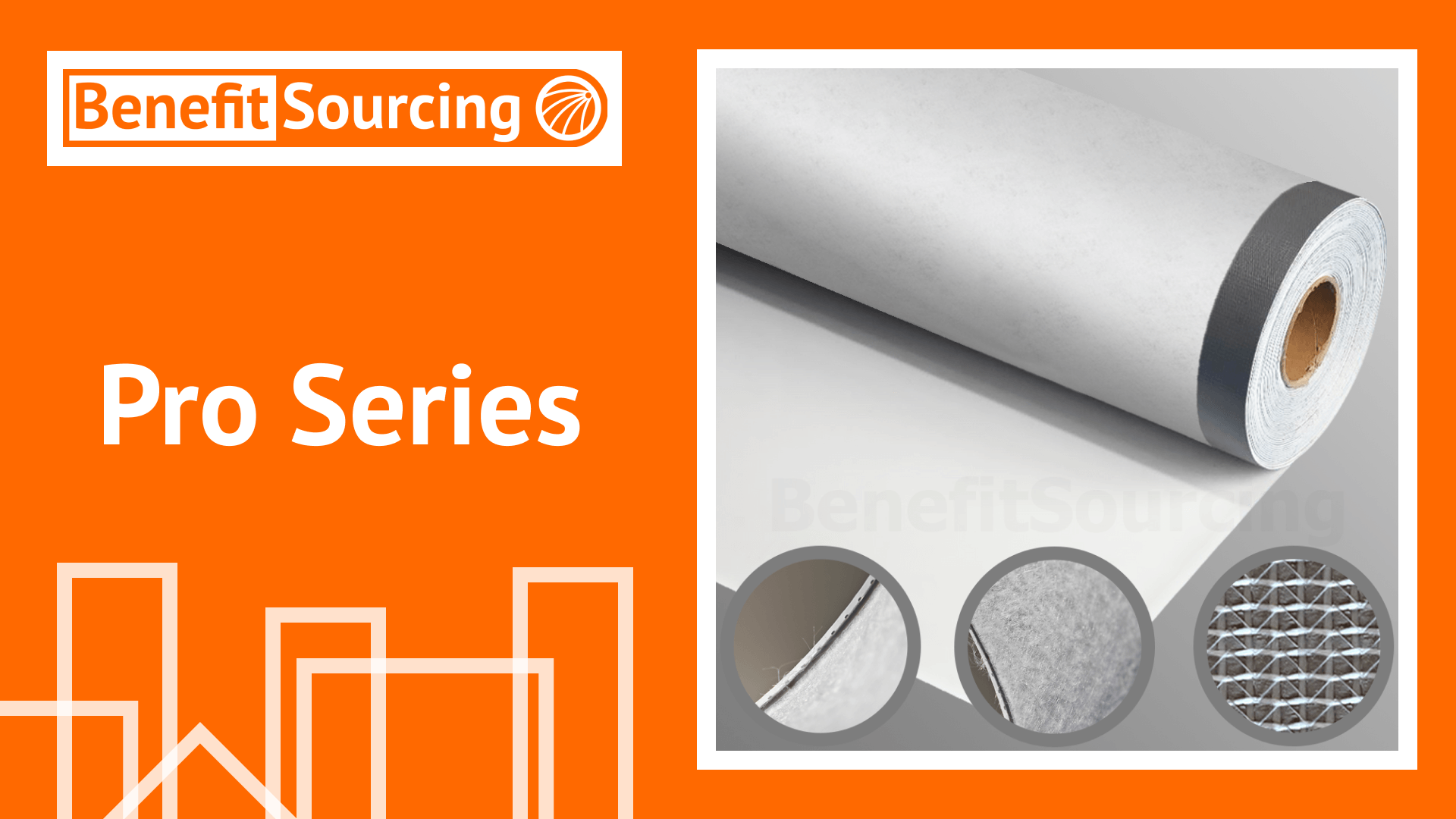
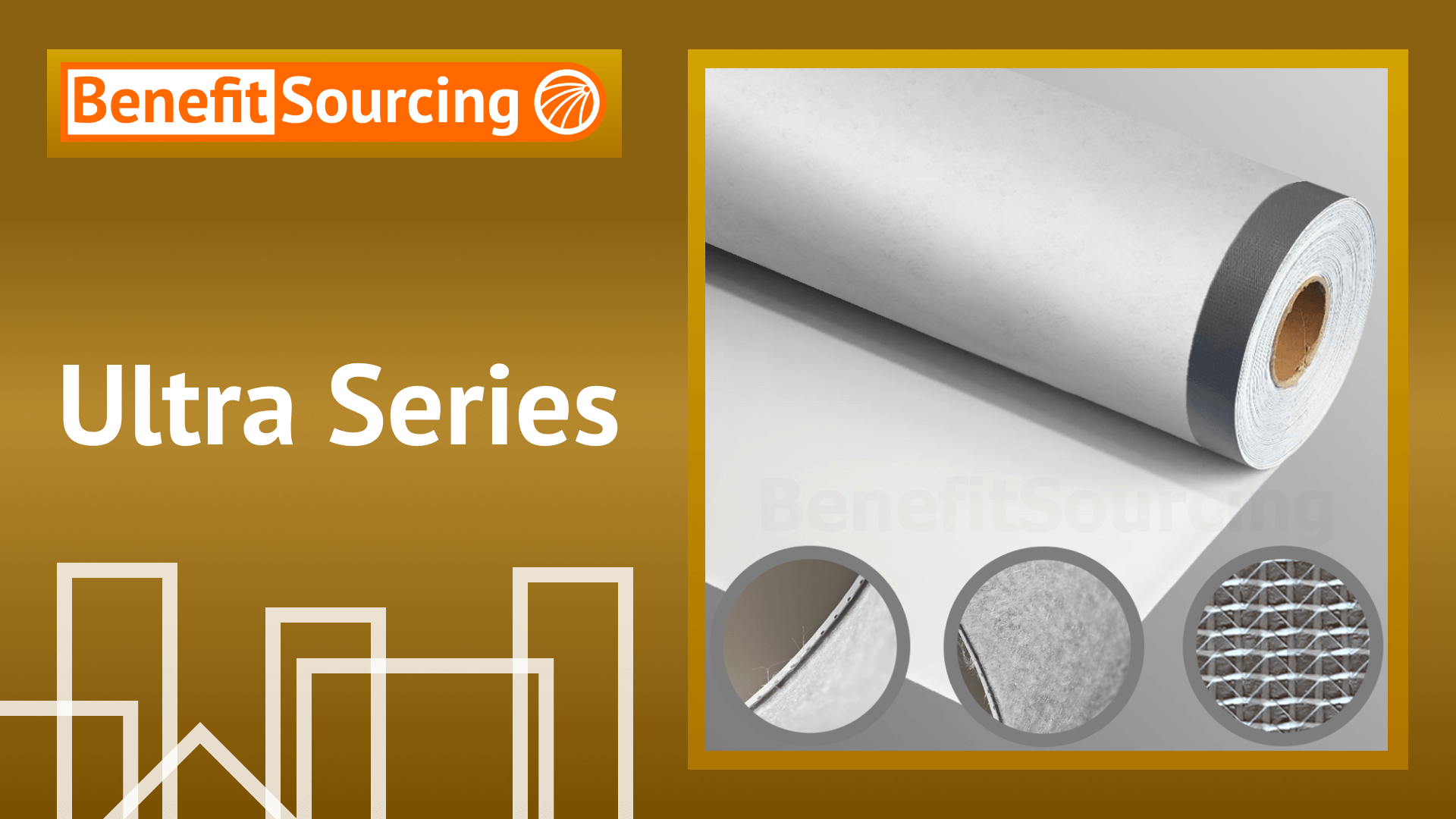
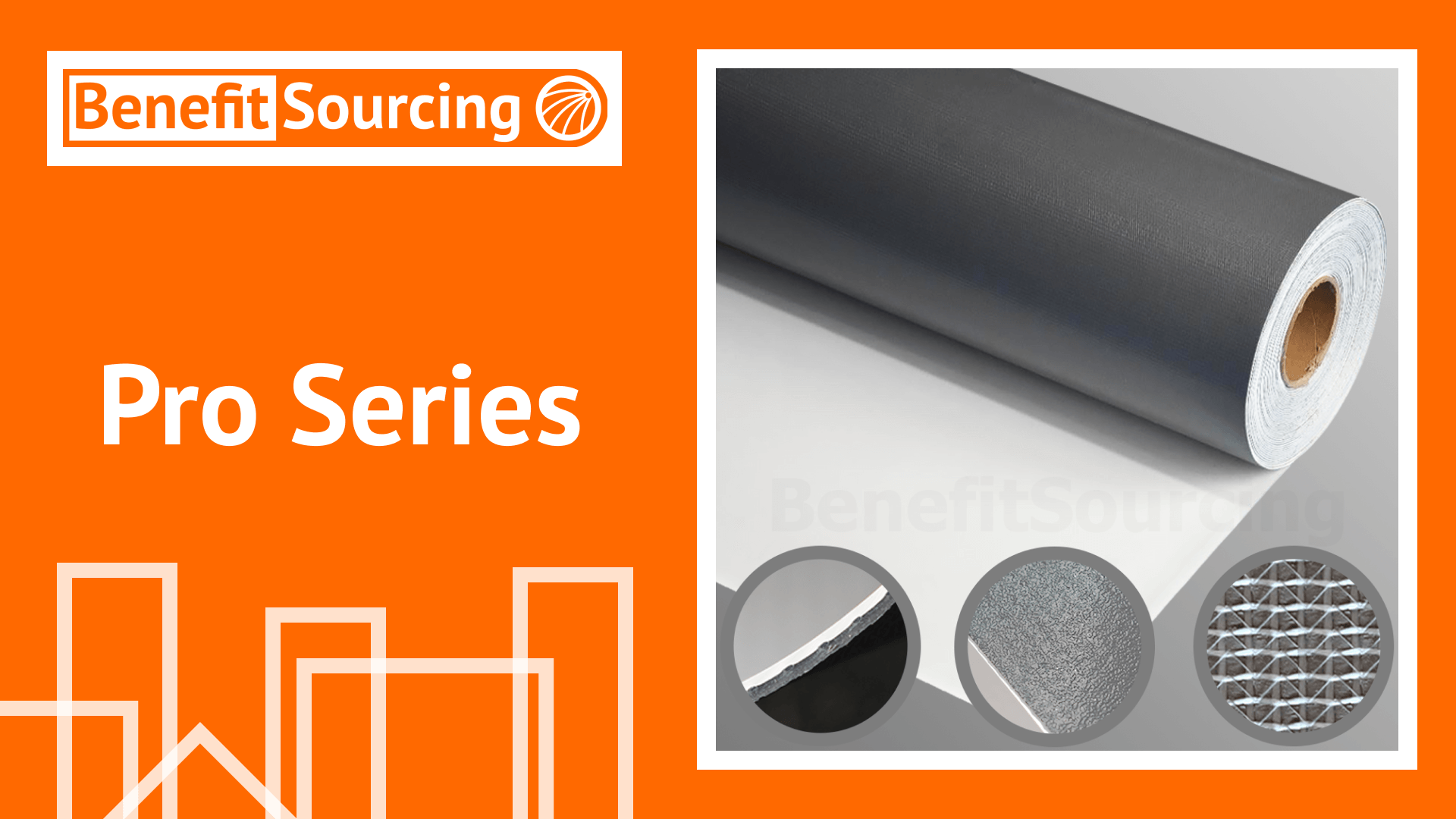
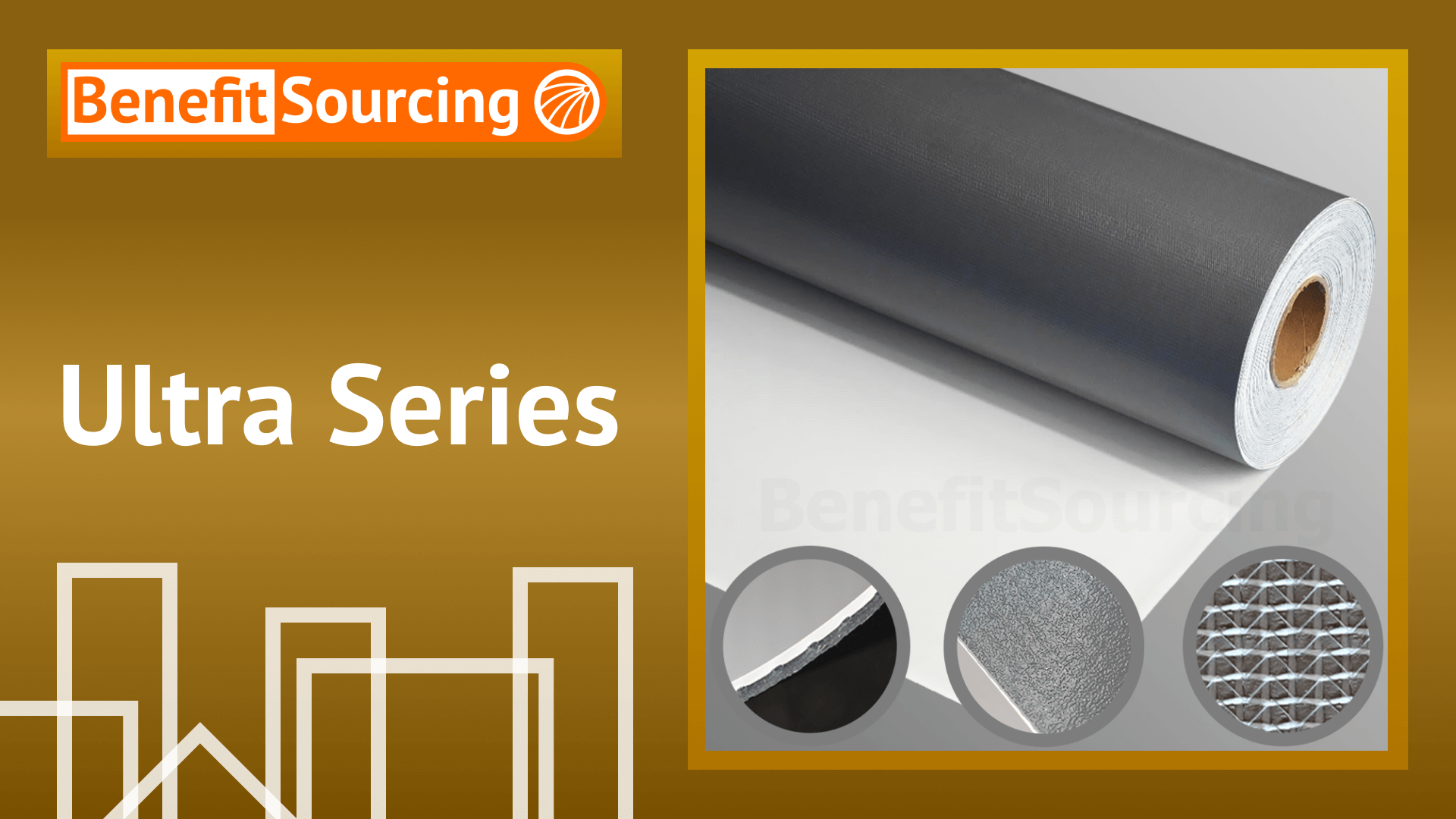
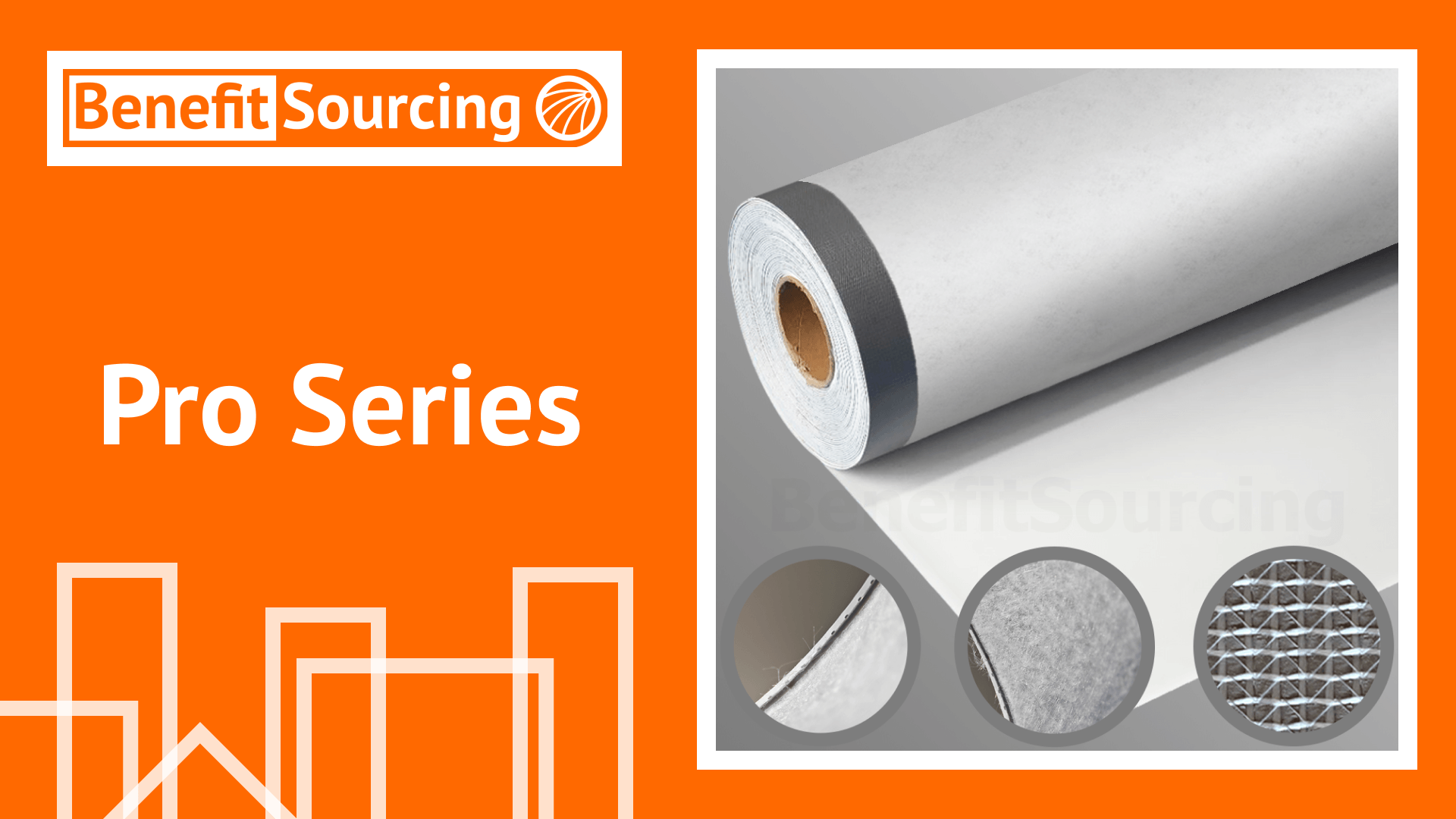
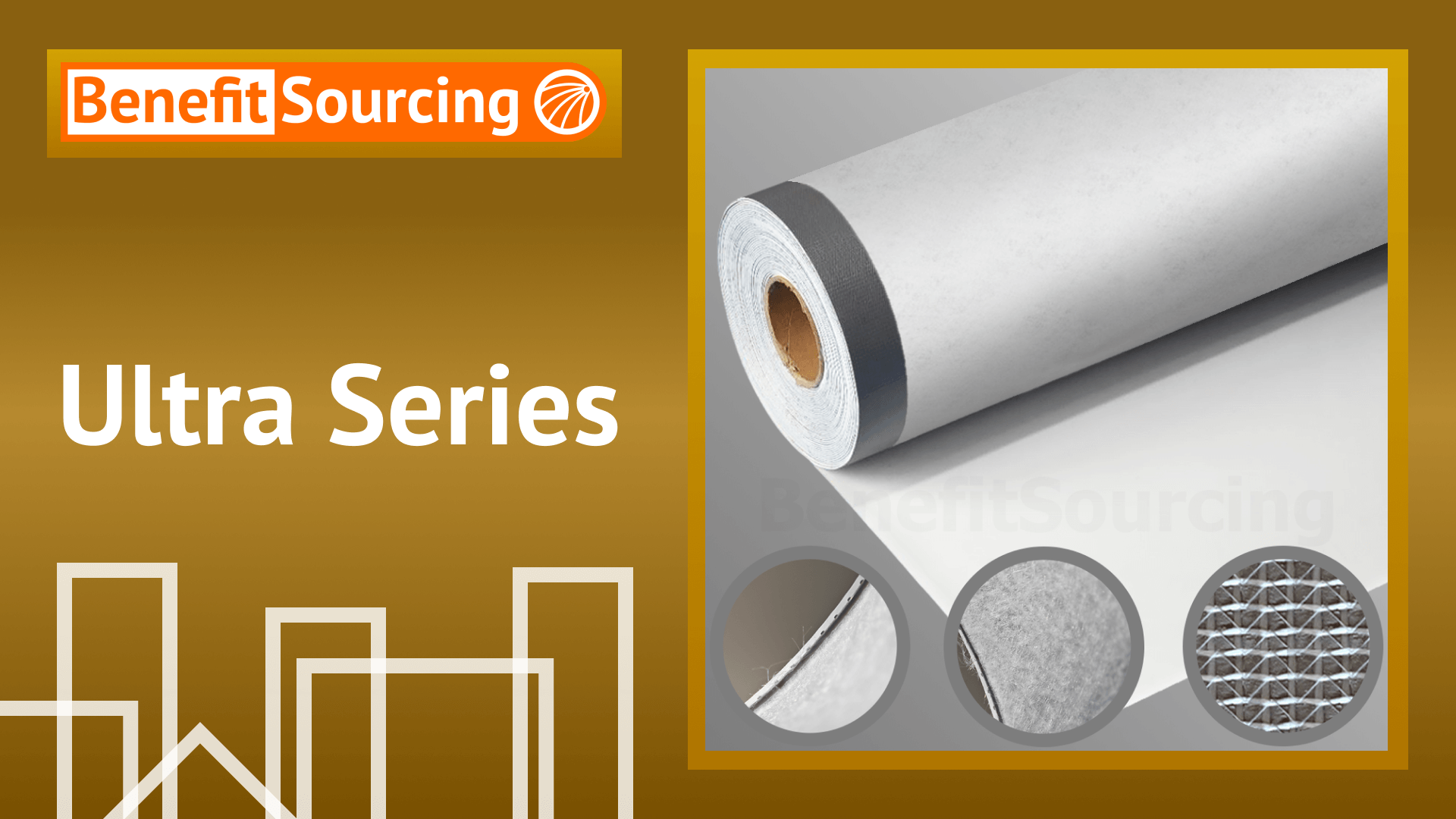
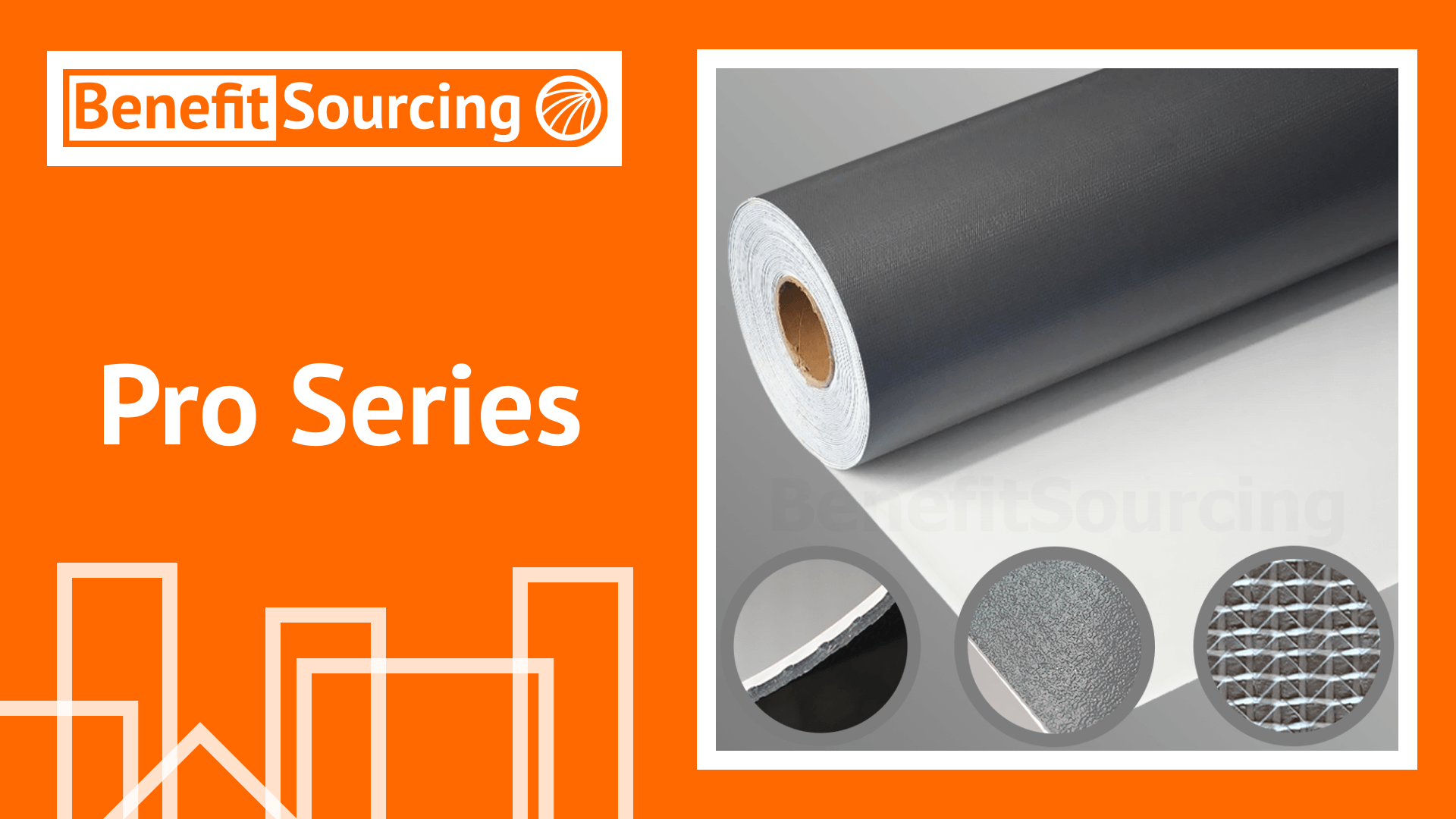
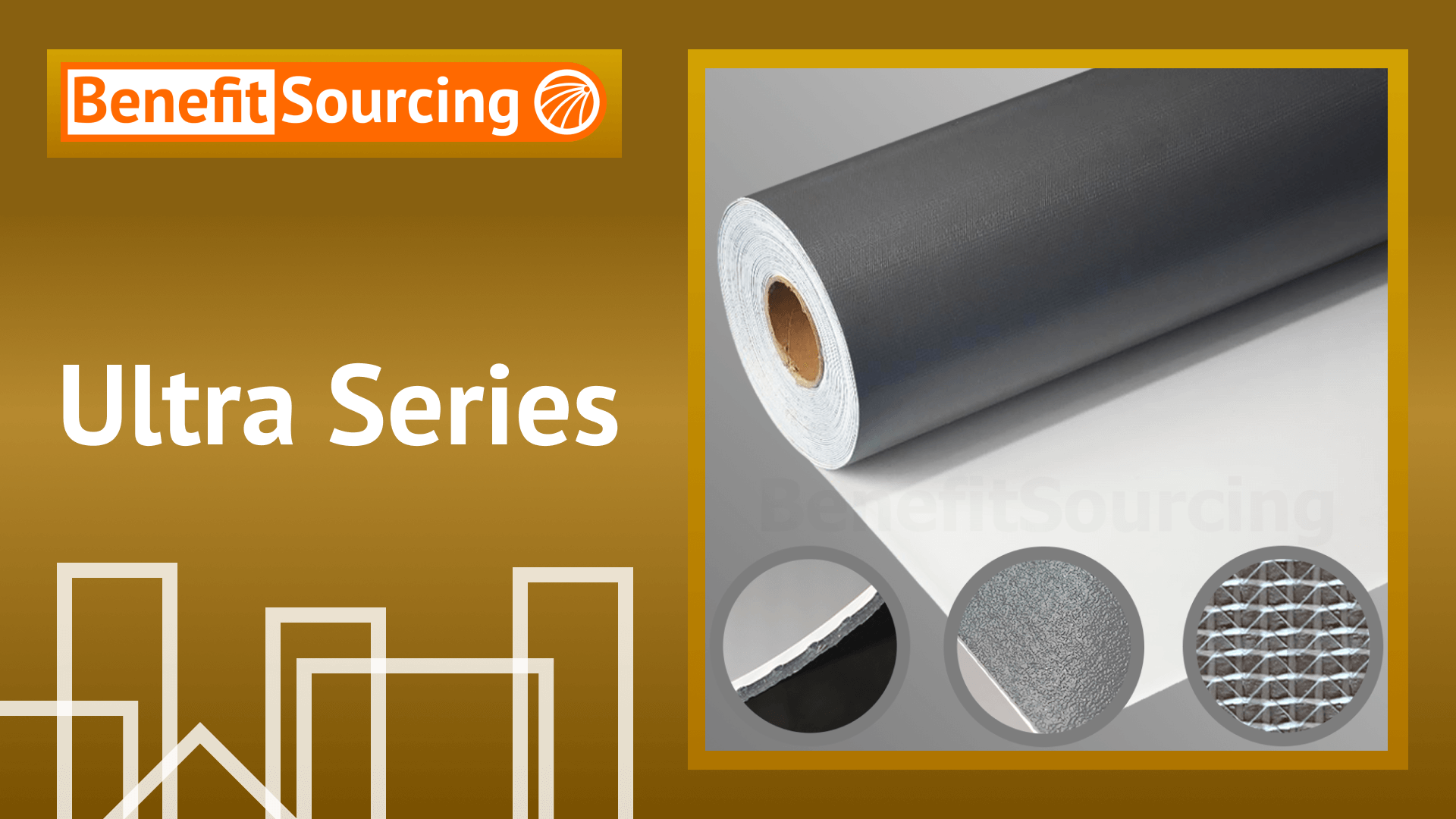
Polyvinyl chloride (PVC) roofing membranes are widely recognized for their durability, flexibility, and resistance to environmental stressors. These materials form the backbone of modern single-ply roofing systems, offering long-term waterproofing solutions for commercial, industrial, and residential buildings. The production process of PVC roofing membranes involves precise engineering and chemical formulation to meet stringent performance standards. Below is a detailed breakdown of the manufacturing steps and key considerations.
PVC roofing membranes consist of a blend of polymers and additives designed to enhance specific properties. The primary components include:
Raw materials undergo rigorous quality checks before mixing. Resin particle size, plasticizer viscosity, and filler purity are analyzed to ensure batch consistency.
In this stage, raw materials are homogenized using high-shear mixers or twin-screw extruders. The process involves:
Critical parameters such as temperature, mixing speed, and residence time are monitored to prevent premature degradation or uneven plasticizer absorption.
The compounded material is fed into an extrusion line, where it undergoes:
Advanced production lines incorporate laser thickness gauges and infrared sensors to maintain tolerances within ±0.05 mm.
Post-calendering, the membrane undergoes controlled cooling to stabilize its crystalline structure:
Surface modifications may include:
The cooled membrane is slit into rolls of standard widths (1–2 meters) using rotary blades. Tension control systems ensure straight edges and prevent stretching. Rolls are packaged with protective films to guard against scratches during transportation.
PVC roofing membranes must comply with international standards such as ASTM D4434 and EN 13956. Key tests include:
Modern PVC membrane production emphasizes sustainability through:
The final product’s performance relies on compatibility with installation methods such as:
Regular maintenance, including seam inspections and debris removal, extends service life to 20–30 years.
This end-to-end production process ensures PVC roofing membranes deliver reliable waterproofing, energy efficiency, and resistance to extreme weather conditions. Advances in polymer science and manufacturing automation continue to refine their performance, making PVC membranes a cornerstone of contemporary roofing systems.
The production of PVC roofing membrane - Production process is part of our roofing membrane production knowledge series and explains practical roofing membrane information for product selection, installation, or project planning.
This article is useful for roofing contractors, waterproofing companies, specifiers, and project teams that need clearer membrane guidance before product selection or inquiry.
Use the contact form on this page to discuss related PVC or TPO membrane products, request a Technical Data Sheet (TDS), or ask about OEM and project requirements.
Need product data, sourcing support, or OEM guidance?