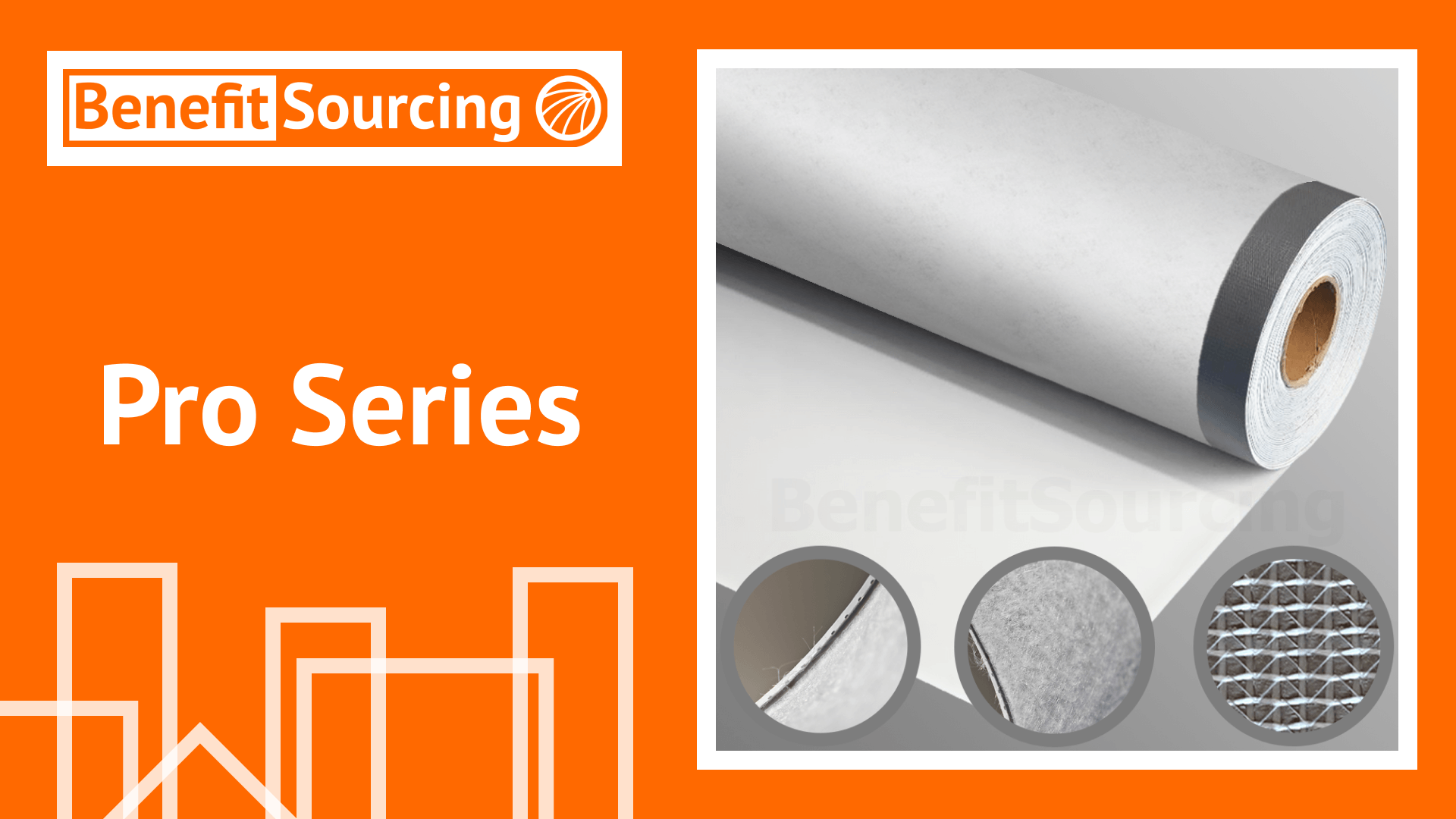
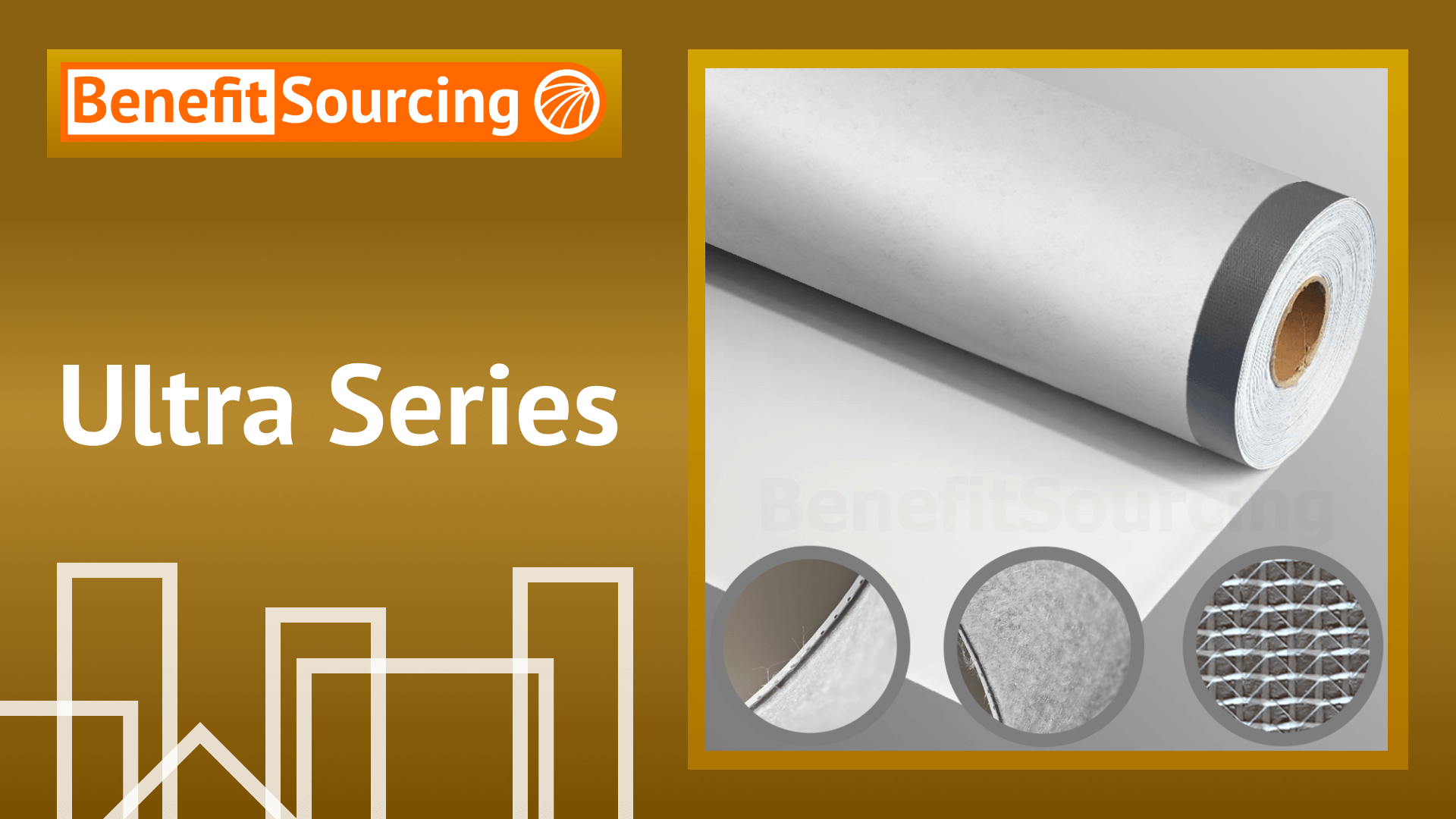
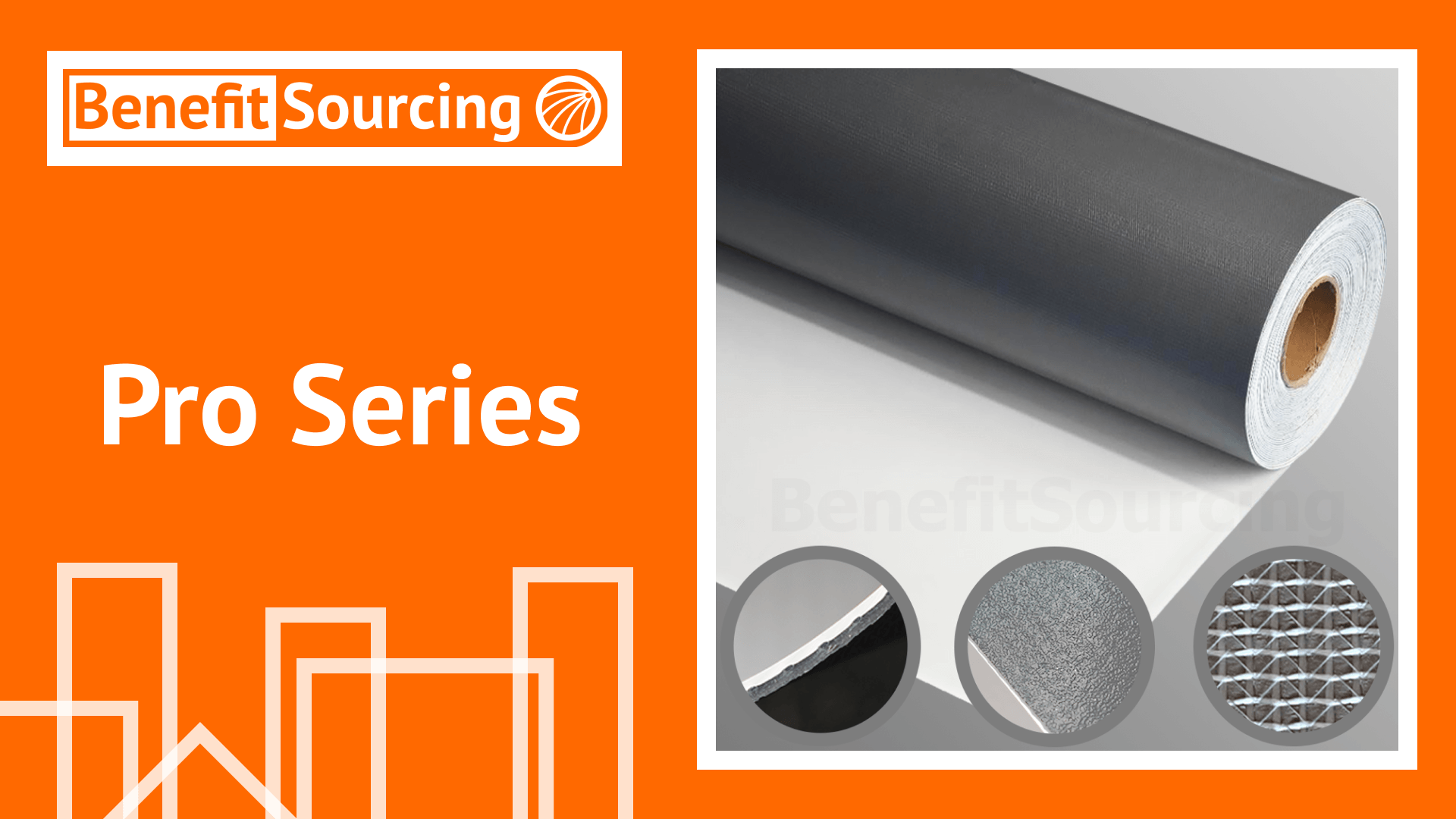
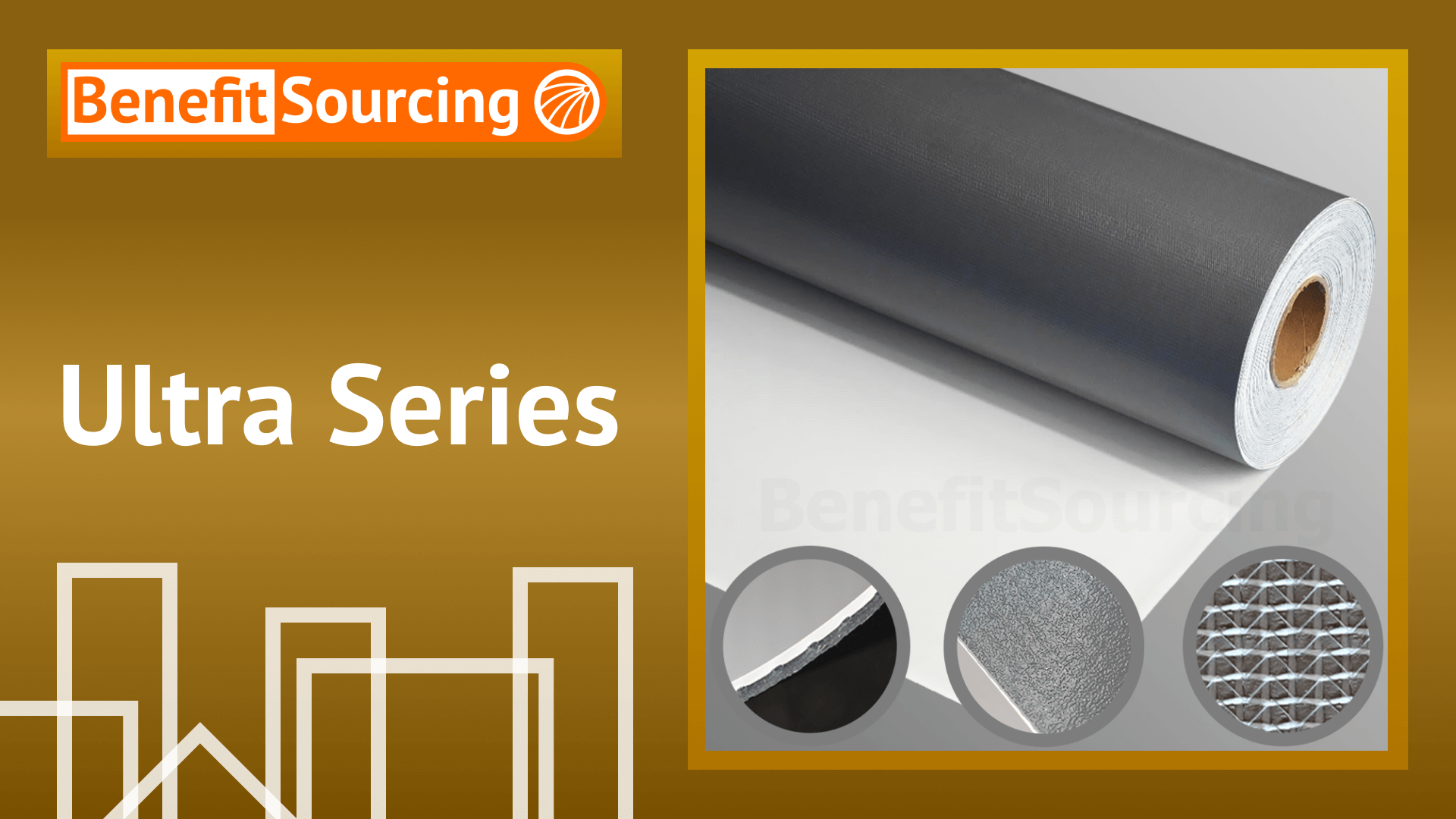
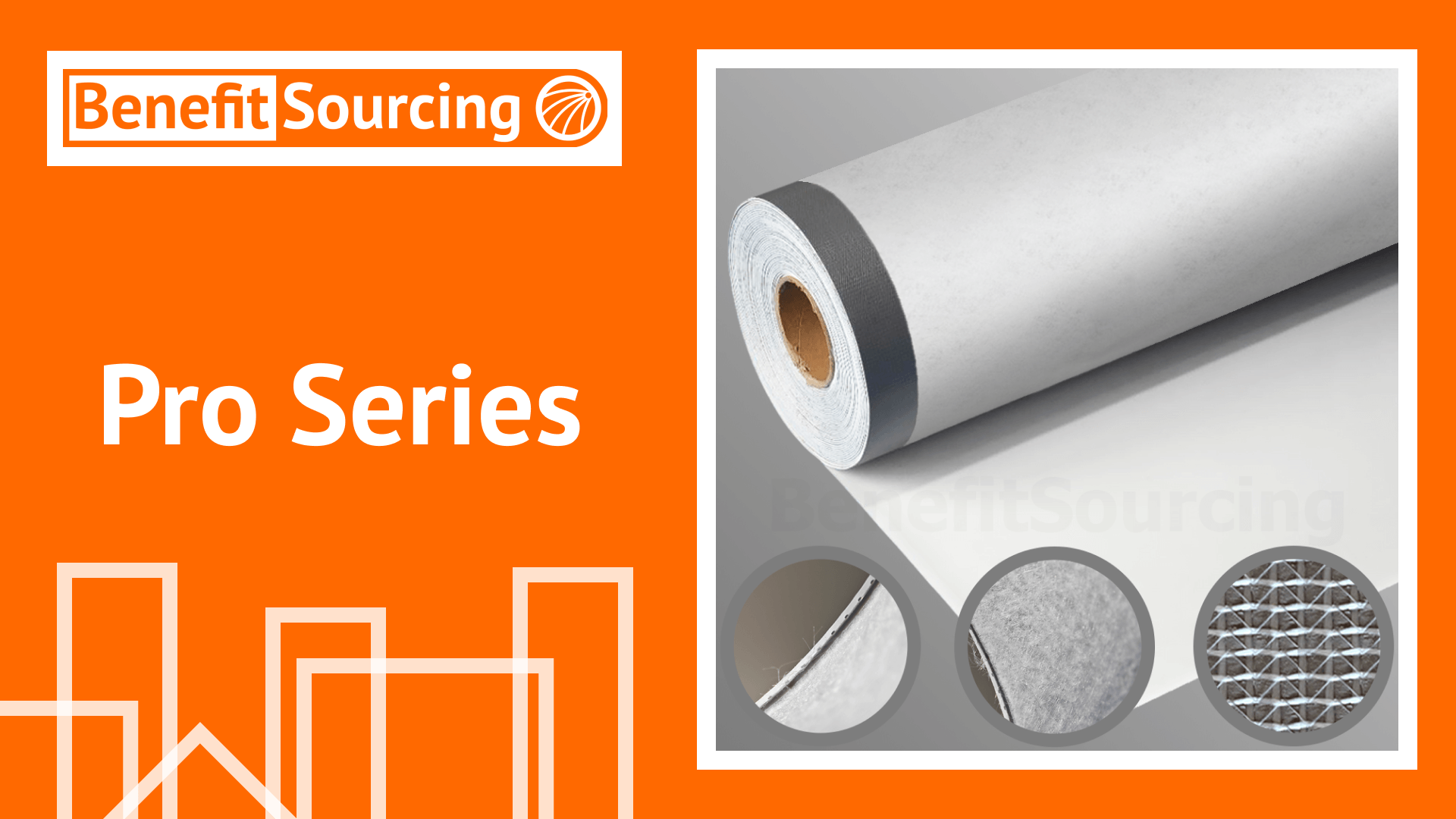
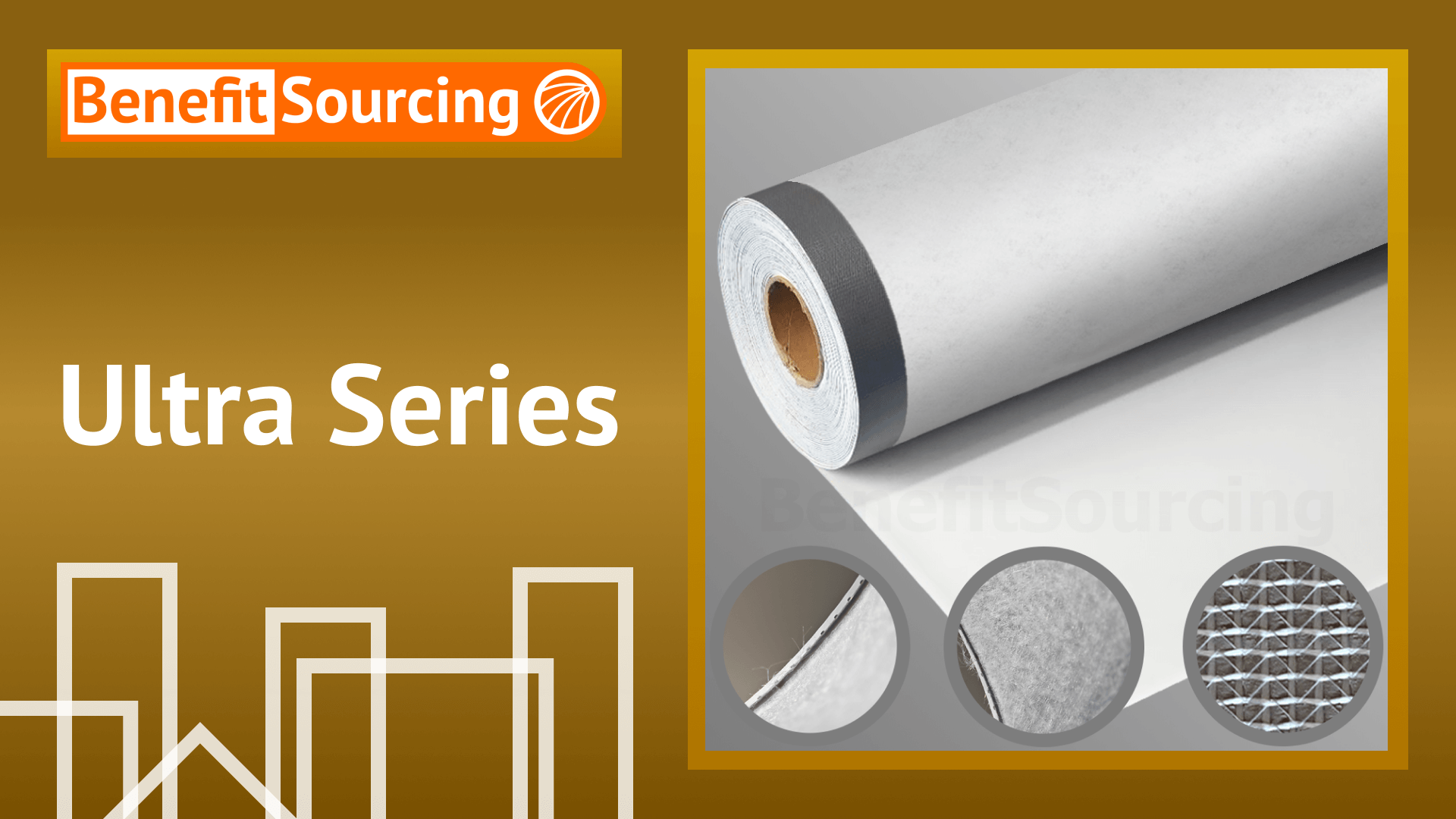
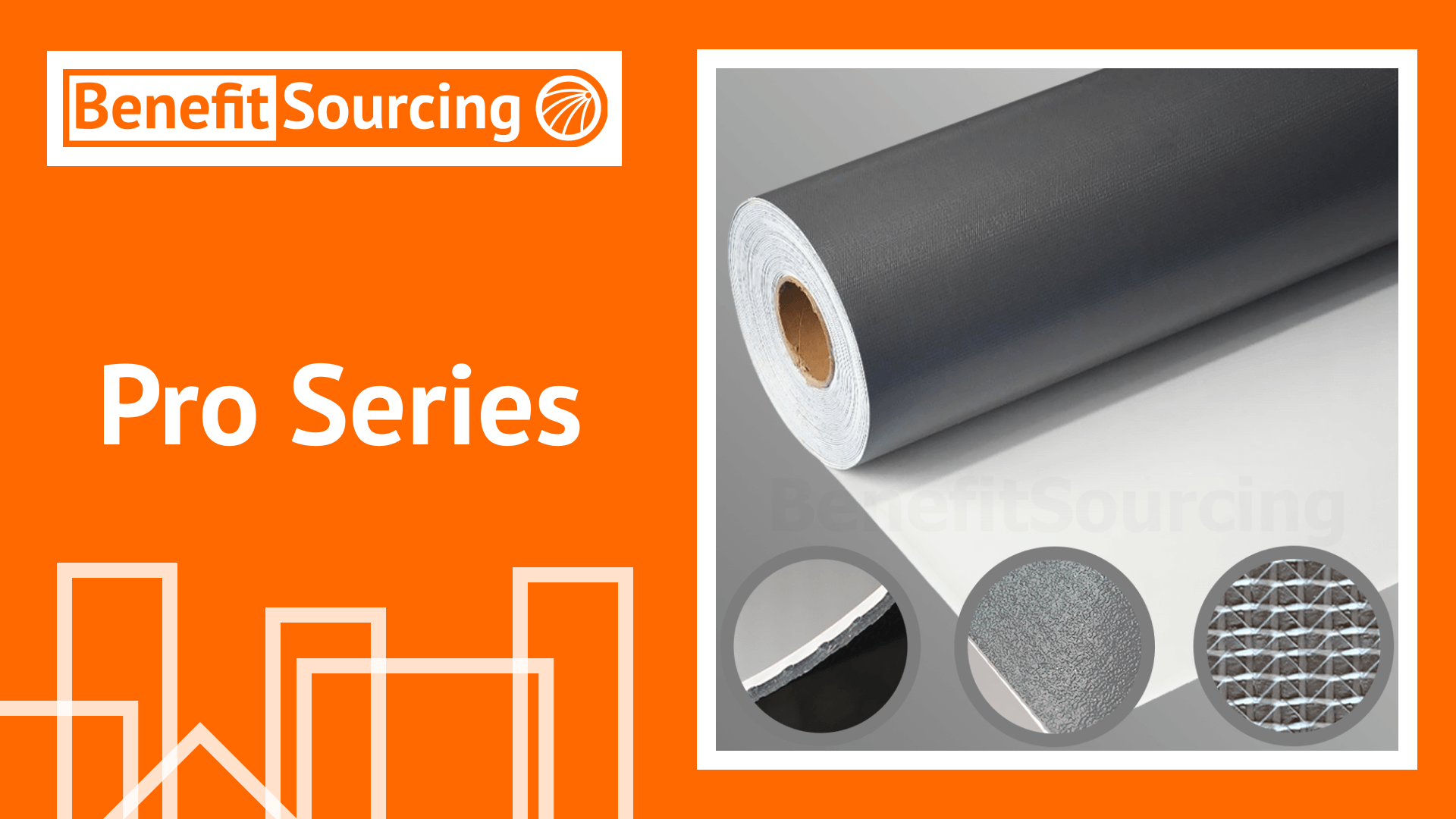
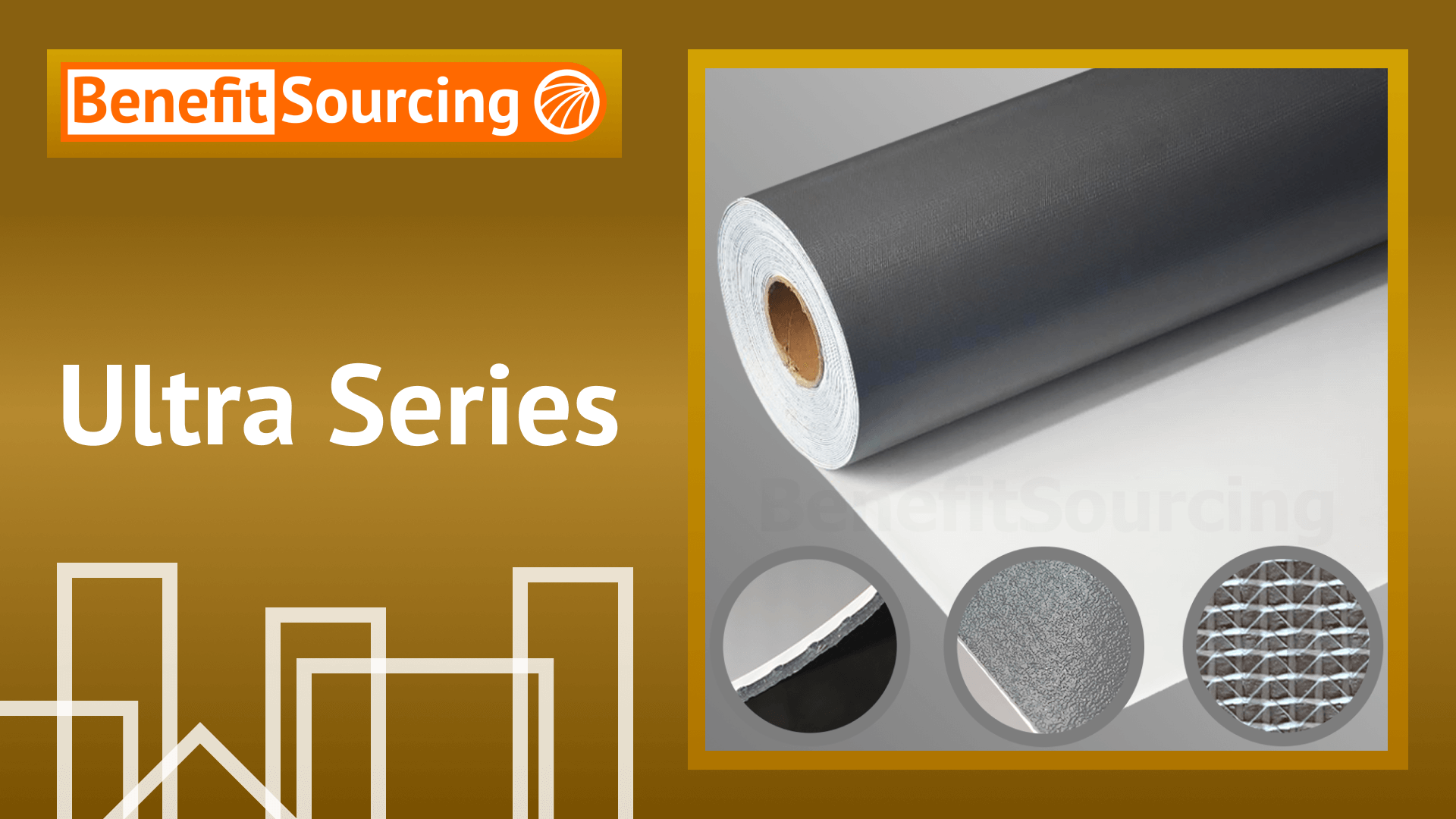
The production of thermoplastic polyolefin (TPO) roofing membranes involves precise engineering and stringent quality control to ensure durability, weather resistance, and performance. Despite advancements in manufacturing technologies, several common production issues can compromise the membrane’s integrity, longevity, and functionality. Understanding these challenges and their cascading impacts is critical for manufacturers, contractors, and building owners alike.
TPO membranes are composed of polypropylene (PP), polyethylene (PE), and ethylene-propylene rubber (EPR), blended with stabilizers, flame retardants, and pigments. Variations in raw material quality directly affect the final product:
Such flaws often manifest as localized failures in the membrane, increasing the risk of leaks and shortening the roof’s service life.
The extrusion process, where molten TPO is formed into sheets, is prone to technical errors:
These defects reduce the membrane’s ability to withstand mechanical loads, wind uplift, or thermal expansion, escalating maintenance costs over time.
Many TPO membranes incorporate polyester or fiberglass scrims for dimensional stability. Faults in lamination include:
Membranes with poor lamination often fail prematurely in high-wind regions or under cyclic thermal movement.
Rushed production cycles or cost-cutting measures may lead to skipped quality tests:
Such oversights result in membranes that fail to meet advertised warranties, leaving building owners vulnerable to unexpected repair expenses.
While aesthetics are secondary to performance, surface imperfections can indicate deeper issues:
Though not always immediately critical, these defects may correlate with long-term durability risks.
Even flawless membranes degrade if mishandled after production:
Installation teams often mistake handling-related damage for manufacturing defects, straining supplier-contractor relationships.
Sustainability pressures and evolving regulations add complexity:
Manufacturers risk fines, recalls, or reputational damage if production shortcuts violate environmental or safety codes.
The ripple effects of substandard TPO membranes extend beyond technical failures:
Investing in advanced process control systems, such as real-time thickness monitoring or automated blend verification, proves cost-effective over time by minimizing waste and rework.
Proactive measures can address these production challenges:
Collaboration with independent testing laboratories further validates product performance under extreme conditions, ensuring compliance with industry standards like ASTM or FM Global.
By prioritizing precision at every production stage, manufacturers can deliver TPO membranes that meet the evolving demands of modern roofing systems while upholding sustainability and safety commitments.
The production of TPO roofing membrane - Common production issues and their impacts is part of our roofing membrane production knowledge series and explains practical roofing membrane information for product selection, installation, or project planning.
This article is useful for roofing contractors, waterproofing companies, specifiers, and project teams that need clearer membrane guidance before product selection or inquiry.
Use the contact form on this page to discuss related PVC or TPO membrane products, request a Technical Data Sheet (TDS), or ask about OEM and project requirements.
Need product data, sourcing support, or OEM guidance?